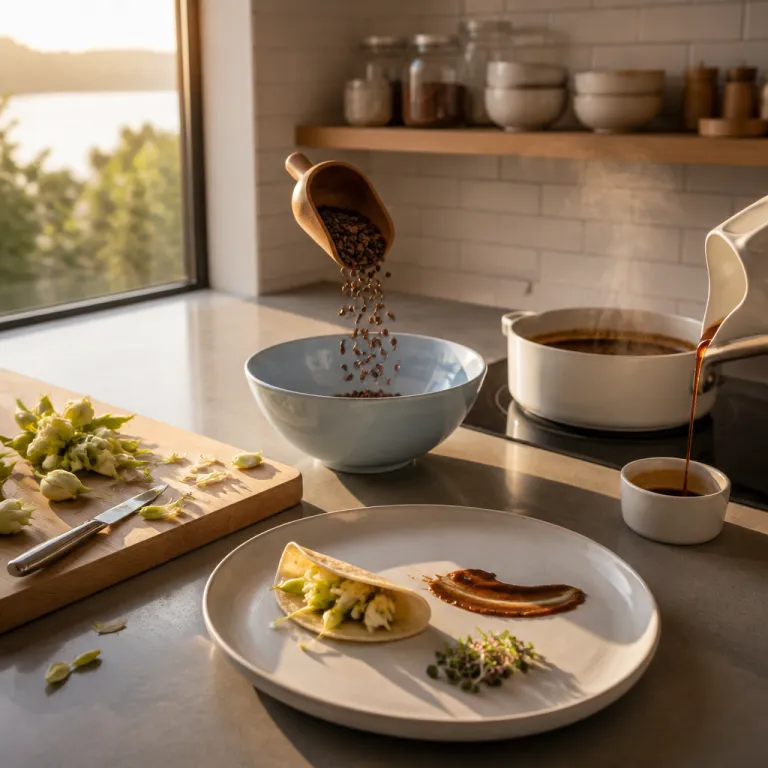
From street food roots to refined hotel tables
Luxury hotels in El Salvador are quietly rewriting their menus around Salvadoran cuisine and native ingredients. In place of anonymous international food, chefs are leaning into corn, beans, loroco, criollo cacao, and balsam of Peru to tell a precise story about this compact country. For couples planning a romantic stay, that means every dish served can feel like a curated tasting of Salvadoran identity rather than a generic resort buffet.
In San Salvador, the restaurant El Xolo has become a reference point for hotel chefs who want to understand how Salvadoran cooking can honor indigenous techniques while still feeling contemporary. The team focuses on criollo corn and treats corn dough with the same respect a French kitchen gives pâte feuilletée, transforming simple masa harina and corn flour into refined versions of pupusas, tamales, and tasting menu bites. When you taste a carefully executed pupusa in a serious dining room, you understand why Salvadoran food is no longer confined to humble street food stalls but is now shaping the culinary direction of high end properties across Central America.
Many of these chefs grew up eating traditional Salvadoran plates like sopa pata, refried beans, and elote loco from roadside stands, then trained abroad before returning to San Salvador or the Ruta de las Flores. They now treat ingredients Salvadorans once considered everyday — fried beans, pickled cabbage curtido, and simple tomato sauce — as building blocks for elegant cuisine that still feels grounded. As one San Salvador hotel chef explained in a recent local interview, “If we respect corn and beans, guests immediately feel they are in El Salvador, not in a hotel that could be anywhere.” For travelers using a premium booking platform, this shift means you can filter hotels not only by infinity pool or spa, but by whether the restaurant respects local culinary heritage and serves a meaningful sense of place on the plate.
Loroco, chipilín, and the new language of hotel plates
Ask any chef working seriously with traditional Salvadoran produce and they will start with loroco, the edible flower bud that perfumes so many classic pupusas. In its most familiar form, loroco is folded into corn dough with cheese, then fried on a comal and served with curtido and a bright tomato sauce, a street food staple that defines food in El Salvador for many visitors. In luxury hotels, that same flower now appears as a delicate emulsion under grilled seafood, or as a herbaceous filling in handmade pasta, proving how a traditional Salvadoran ingredient can travel from roadside griddle to white tablecloth.
Casa 1800 Ataco, overlooking the coffee hills of western El Salvador, offers one of the clearest examples of this evolution. Here, loroco, güisquil, coffee, and alhuashte are treated as headline ingredients, not rustic afterthoughts, and each dish is plated with the restraint you would expect from a serious Central American dining room. A simple soup built around chipilín, the leafy herb that once thickened farmhouse stews, arrives in a porcelain bowl, its broth clear and aromatic, yet the flavor still recalls the Salvadoran food that grandmothers simmered slowly over wood fires in the countryside. An image of this dish on a hotel website might carry alt text such as “chipilín soup at a boutique hotel in El Salvador, showcasing traditional Salvadoran cuisine.”
Nan-Tal, a project linked to a refined guest house, goes even deeper into indigenous language by highlighting sinti for corn, chil for chili, and kakawat for cacao on its menus. This is Salvadoran cuisine speaking Nahua and Pipil again, reminding guests that every recipe has a lineage stretching back long before Central America appeared on tourist maps. When you sit down there, you do not just find a pretty dish; you encounter a narrative where corn flour, masa harina, and corn dough become a quiet act of cultural preservation, plated and served with the precision of a tasting menu in any major capital.
Criollo cacao and balsam: from forest to turn down service
While corn and beans anchor everyday Salvadoran cuisine, criollo cacao and balsam of Peru are the ingredients giving luxury hotels their most sensual notes. Criollo cacao, cultivated in the foothills near Izalco, is now moving beyond rustic hot chocolate and into bean to bar programs that rival anything in Central America. Several high end properties commission small batches of chocolate for turn down amenities, pairing a square of dark cacao with a tiny glass of sweet dessert wine or a spoon of silky refried beans reimagined as a cocoa scented purée.
On the Costa del Bálsamo, the aromatic resin long known locally as bálsamo — derived from the balsam of Peru tree — is stepping out of traditional remedies and into both cocktails and spa rituals. In coastal retreats near La Libertad, bartenders infuse balsam into syrups that lend a gentle, resinous depth to drinks built around local rum, while pastry chefs brush it lightly over fried plantain desserts to bridge sweet and smoky notes. In parallel, spa therapists use balsam oils in treatments that reference the same forests supplying the kitchen, creating a rare continuity between what is served on the plate and what you feel on the massage table.
For couples choosing where to stay through a curated booking site, this attention to native Salvadoran flavors can be as decisive as thread count or pool design. A property that treats cacao as a serious ingredient, not just a flavor, will likely also respect the integrity of corn, beans, and every other Salvadoran staple it serves. When a hotel lists its cacao estate partners as carefully as its wine producers, you know you are entering a space where Salvadoran food is curated with the same rigor as any fine dining program in the wider country.
From pupusas to tasting menus: how hotels reinterpret classics
Walk any evening through San Salvador and you will see smoke rising from griddles where pupusas con chicharrón, cheese, and beans are fried until the dough blisters. This is the national dish in its purest form, served with curtido made from pickled cabbage and carrots, and it remains the reference point for every chef working with Salvadoran staples. Luxury hotels are not trying to replace that street food experience; they are translating it into formats that suit a long dinner with wine pairings and soft lighting.
Some properties now offer a pupusa tasting course, where miniature versions arrive one by one, each highlighting a different aspect of Salvadoran cuisine. One might feature loroco and fresh cheese in a delicate corn dough, another might layer slow cooked pork con chicharrón with a refined tomato sauce, while a third plays with refried beans scented by criollo cacao for a subtle bitter note. The result is a sequence that respects the original recipe while allowing guests to appreciate how the same ingredients Salvadoran families use at home can support a sophisticated, multi course cuisine.
Even humble elote loco, the grilled corn on the cob slathered in mayonnaise, cheese, and sauces, is getting a quiet makeover in hotel kitchens. Chefs might present kernels shaved from the cob and folded into a light soup, or compress the flavors into a small plated dish where corn flour crisps, sweet corn purée, and fried corn husk crumbs echo the textures of the street version. In each case, the goal is not to tame Salvadoran food but to show that the same dishes El Salvador celebrates at roadside stands can hold their own in any dining room in Central America when treated with respect.
Planning a stay where the menu matters as much as the view
For couples using a luxury booking platform, the challenge is not just to find a beautiful room in El Salvador, but to find a property where regional ingredients are central to the experience. Start by reading menus carefully and looking for explicit references to corn, beans, loroco, chipilín, criollo cacao, and balsam of Peru rather than generic international food. When a hotel describes its sopa pata, its corn dough tamales, or its fried beans with the same care it gives to its wine list, you can expect a kitchen that takes Salvadoran food seriously.
Recent tourism reports from El Salvador indicate that more hotels are incorporating indigenous crops into their menus, a trend that reflects both guest demand and chef ambition. The same sources note a marked rise in tourist interest in local cuisine, which aligns with what we see on the ground as more properties adopt farm to table dining and sustainable sourcing. Many of these hotels collaborate directly with local farmers and culinary schools, using traditional cooking techniques alongside modern equipment to ensure that every dish served supports both flavor and community.
When planning your itinerary, consider pairing a stay in San Salvador with nights along the Ruta de las Flores or the Costa del Bálsamo to experience different expressions of Salvadoran cuisine. In the capital, restaurants like El Xolo and Nan-Tal show how urban chefs are pushing local ingredients forward, while in Ataco, Casa 1800 Ataco connects you to finca kitchens and coffee country. For a deeper dive into properties that balance refined suites with serious kitchens, consult a curated guide to luxury suites in El Salvador, then cross reference it with menus that highlight native Salvadoran produce so your trip feels coherent from breakfast to the final turn down chocolate.
FAQ
What is loroco and where can I taste it in hotels ?
Loroco is an edible flower bud native to Central America, known for its unique flavor. In El Salvador, it traditionally appears in pupusas filled with cheese and corn dough, then fried and served with curtido and tomato sauce. Today, you will also find loroco in refined hotel restaurants, where chefs use it in pasta fillings, sauces, and elegant seafood dishes.
How is cacao used in Salvadoran cuisine at luxury properties ?
How is cacao used in Salvadoran cuisine? Cacao is used in beverages, desserts, and savory dishes, adding depth and richness. Luxury hotels often feature criollo cacao in bean to bar chocolates for turn down service, in tasting menu desserts, and sometimes in savory sauces that accompany meat or game. Some properties also organize cacao tastings that explain the ingredient’s indigenous roots and its role in traditional Salvadoran cooking.
What is balsam in the context of Salvadoran gastronomy ?
What is balsam in the context of Salvadoran cuisine? Balsam refers to the resin from the balsam of Peru tree, used in traditional remedies and occasionally in cooking. Along the Costa del Bálsamo, high end hotels now use this aromatic resin in cocktails, desserts, and spa treatments, creating a sensory link between the surrounding forests and the guest experience.
Are traditional dishes like sopa pata and pupusas available in luxury hotels ?
Many luxury and premium hotels in El Salvador serve refined versions of traditional Salvadoran dishes such as sopa pata and pupusas. Instead of copying street food exactly, chefs adjust portion sizes, plating, and sometimes ingredients while keeping the core flavors of corn, beans, and slow cooked meats. Guests can enjoy the comfort of Salvadoran food with the service standards and wine pairings expected in an upscale dining room.
How can I ensure my hotel supports local farmers and indigenous ingredients ?
When researching hotels, look for clear references to farm to table dining, collaborations with local farmers, and menus that name specific Salvadoran ingredients like loroco, chipilín, and criollo cacao. Properties that highlight sustainable sourcing and regional produce usually describe their partnerships with nearby fincas or cooperatives. You can also contact the hotel directly to ask how much of their food is sourced within the country and how they integrate traditional Salvadoran recipes into their cuisine.