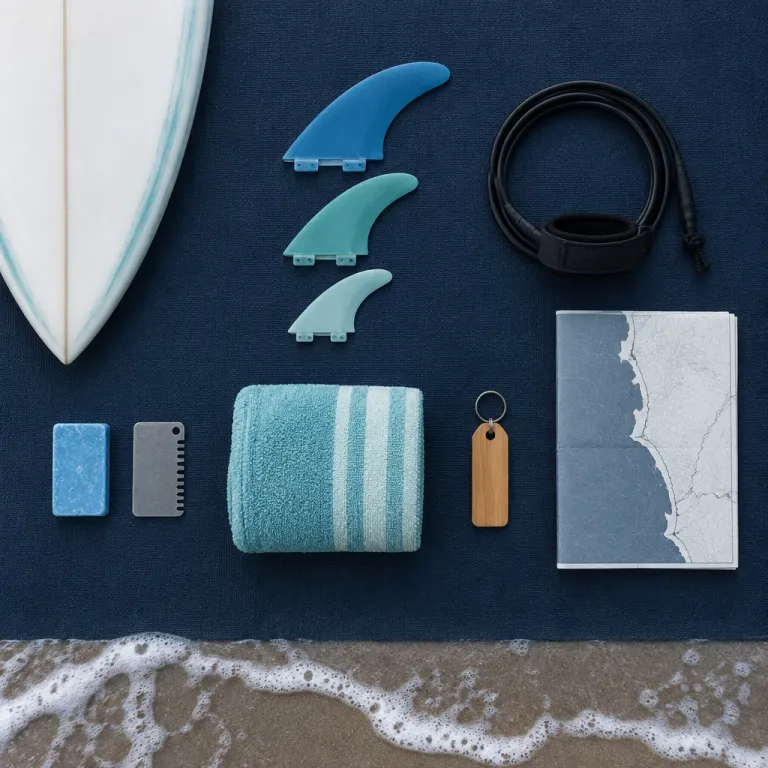
The wave at Punta Roca when the cameras are gone
Punta Roca is a right hand point that feels carved for serious surf, a Salvadoran version of a compact J-Bay wall. On a solid south or southwest swell the wave breaks over dark roca reef and runs for a long, fast wall that can feel almost endless. People who come for focused Punta Roca surf travel quickly understand this is not a casual place for first time surfing or soft‑top experiments.
The take off zone sits tight over shallow punta reef, and the waves stand up fast before driving down the line with real power. On the best days the set waves link several sections, giving long rides that reward precise timing and punish any bit of hesitation or poor positioning. This is where experienced surfers test themselves, while less confident people often watch from the rocks and plan their time at easier surf spots nearby or at mellower beach breaks up the coast.
When the World Surf League leaves El Salvador, the point returns to its working rhythm with a core of local surfers who know every tide and swell angle. They read the waves by sound and shadow, deciding whether the day will be short and intense or a long session with super fun walls, and they know the typical Punta Roca tide window sits around mid to high on most swells. For travelers, the best approach is to treat Punta Roca as a powerful place that can give great surf and also demand respect every single time you paddle out.
Lineup etiquette, local hierarchy and how not to blow it
The Punta Roca lineup is small, defined by the curve of the punta and the way the waves wrap along the reef. Local surfers sit deepest, closest to the rock, where the take off is most critical and the rides are longest and best. Visiting people who handle their surf with humility usually find the atmosphere firm but fair, especially if they arrive with realistic expectations about wave count.
There is a clear unwritten order in the water, shaped by years of surfing this same place through every kind of swell and tide. The most respected local surfers know exactly which waves to take and which to let pass, and they expect guests to wait their time rather than paddle straight to the inside. If you are new to Punta Roca surf travel, watch a full set cycle from the channel, count who goes on which waves, then ease into the rotation with a bit of patience and a clear sense of who is sitting where.
Never paddle around someone who is already in position on the punta, and never drop in on a surfer driving down the line on a long section. A single bad decision can turn a super fun day into a tense one, especially when the swell is good and the surf spots nearby are crowded and competitive. Respect the local crew, share a few words in Spanish about El Salvador and the waves, and you will usually find the vibe shifts from guarded to quietly great over time.
La Libertad between sets: a working port with a surf habit
Step back from the spray and Punta Roca sits inside La Libertad, a compact Salvador port town that works first and surfs second. The pier and fish market wake before dawn, long before most people think about paddling out for fun. You smell the catch before you see it, then watch the boats slide in under the same waves you were surfing the previous day, a small detail that keeps the whole Punta Roca surf scene grounded.
La Libertad is not polished, but it is a perfect base for travelers who want real life with their surf. Street stalls line the malecón, selling fresh ceviche and pupusas while kids play at the water’s edge and older surfers talk about the last great swell and the next south pulse on the charts. Compared with El Tunco and El Zonte, this place feels a bit more raw, less curated, and that is exactly why many Punta Roca surf travel regulars keep returning for longer stays.
Luxury and premium stays now thread quietly through this working coastline, from refined villas above the point to beachfront elegance further east in Las Flores. If you want a broader view of high end coastal stays in El Salvador, the guide to beachfront elegance in Las Flores shows how the country’s best places balance surf access with comfort and privacy. Back in La Libertad, the rhythm remains grounded; the town keeps moving whether the swell is pumping or the ocean lies flat, and that constancy anchors the whole Punta Roca experience.
Where to stay for dawn patrol without the circus
For serious Punta Roca surf travel, where you sleep can decide how many good waves you actually catch. The most coveted places sit within walking distance of the punta, letting you check the surf from your terrace and be in the water in minutes. That proximity turns a normal day into a sequence of short, super fun sessions timed around tide, crowd and the changing La Libertad surf logistics of wind and traffic.
High end options range from discreet villas perched above the reef to low key premium guesthouses tucked along the coastal road. Many of the best stays keep room counts low, which means fewer people racing you to the lineup and more time to enjoy quiet luxury between surfs, with boards stored safely and coffee ready before first light. If you are drawn to intimate properties where you might be the only guest, the curated guide to single suite luxury stays in El Salvador offers a useful benchmark for what refined seclusion can look like on this coast.
Travelers who split their trip between the capital and the ocean often use La Libertad as their primary surf base. A broader overview of refined villa stays in the capital and coastal districts helps frame how Punta Roca fits into a longer Salvador itinerary without overcomplicating transfers. Choose a place that matches your surfing level and your need for rest; the right bed, the right distance from the waves, and the right level of service can turn a good surf trip into a great one.
Who Punta Roca is really for, and where to progress
Punta Roca is not the first place to stand on a board, no matter how good the photos look. The wave is long, fast and unforgiving, and it suits surfers who already feel calm in powerful point break surf and are comfortable on a reliable step‑up or everyday shortboard. People who are still learning will have more fun and less risk at nearby surf spots with softer waves and more forgiving take offs, where a fall means sand or cobblestone instead of sharp reef.
El Tunco and El Zonte, just up the coast, offer a mix of beach breaks and friendlier points where the swell energy spreads out over sand and cobblestone instead of a sharp punta reef. These places attract a different crowd, with more schools, more foam boards and a lifestyle scene that runs late into the night. They are perfect for building skills and confidence before you commit to the concentrated power of Punta Roca on a solid Salvador swell, especially if you want coaching or a slower path into reef breaks.
Our editorial credo is simple; the credibility of any Punta Roca surf travel guide is earned at water level, not from a distant hotel terrace. That means being honest about who this place suits, and clear about when it is better to sit on the rocks and wait for a smaller day or a friendlier tide. Treated with respect, Punta Roca becomes a great teacher and a super fun challenge, but it always remains a serious wave in a working town rather than a theme park for passing surf tourism.
FAQ
Is Punta Roca suitable for beginner surfers ?
Punta Roca is not suitable for beginners, because the wave breaks over shallow reef and moves fast. New surfers are safer at nearby beach breaks in El Tunco or El Zonte, where the waves are softer and the take off zones are wider. Beginners can still enjoy watching the action at Punta Roca while they practice elsewhere, and they should treat the inside rocks and currents here as a clear no‑go zone.
What is the best time of year to plan Punta Roca surf travel ?
The most consistent swells reach Punta Roca during the long wet season, when south and southwest swells hit the Salvador coastline from roughly April through October. Shoulder months can still offer good waves with fewer people in the lineup, especially when a clean long‑period pulse lines up with light morning winds. Flat spells are less common then, but no time of year can guarantee perfect surf every day, so build some flexibility into your Punta Roca tide window and travel dates.
Do I need a car to surf Punta Roca regularly ?
If you stay within walking distance of the point, you can surf several times a day without a car. A vehicle becomes useful when you want to explore other surf spots along the coast or adjust to changing swell directions and local wind patterns. Many luxury and premium hotels can arrange drivers for day trips if you prefer not to rent, which keeps La Libertad surf logistics simple while you focus on the waves.
How does Punta Roca compare with El Tunco and El Zonte ?
Punta Roca offers a more powerful, longer right hand wave over reef, aimed at experienced surfers. El Tunco and El Zonte have a broader mix of waves and a stronger nightlife and café scene, which suits people who value social energy as much as surf. Many travelers split their time between these places to balance challenge, progression and atmosphere, using Punta Roca for focused sessions and the other towns for easier days.
Are there luxury accommodation options close to Punta Roca ?
Yes, there are several luxury and premium properties within a short walk or drive of the point. These range from private villas overlooking the lineup to refined small scale hotels with direct coastal access and secure board storage. Booking early is wise, especially around major surf events when demand rises sharply and the best rooms with ocean views and quick paddle access disappear first.