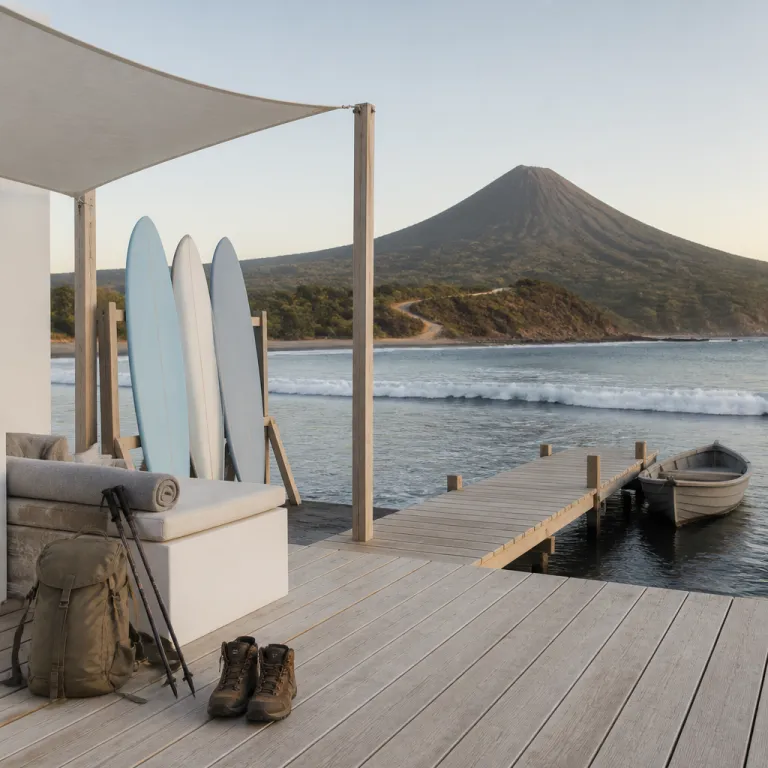
Why an El Salvador family trip with teenagers actually works
El Salvador is compact enough that a single day can hold surf at sunrise, a volcano rim by noon, and street food in a colonial city after dark. For a premium Central America family adventure with teens, that scale matters because it keeps transfers short and attention spans engaged. Parents stay relaxed while teenagers feel this is a real adventure, not a controlled resort bubble.
Upscale beach resorts along the Pacific coast and refined city hotels in San Salvador now design stays around active families, not only couples. Many properties offer private drivers instead of a basic rental car, curated guides instead of a generic guide book, and flexible meal times so older kids can sleep in after a late surf session. That mix turns a classic El Salvador family holiday into something that feels tailored to teenagers, with enough independence to keep them interested.
Safety is the question every family asks before booking a trip to El Salvador. The honest answer for a family trip is that tourist corridors, from the capital city to the main surf beaches, are heavily patrolled and feel calm when you use vetted drivers and licensed tour operators. Recent government crime statistics and international travel advisories note a sharp drop in nationwide crime rates, but families should still follow standard precautions, stay in established tourist areas, and rely on reputable guides for day trips; always confirm current advisories through your home country’s foreign office before departure.
Pacific coast surf: point breaks, teen energy, and luxury bases
The Pacific coastline is where an El Salvador family holiday with teenagers usually starts, because the surf is warm, consistent, and close to the airport. Average water temperatures hover around 27 °C (about 80 °F) according to regional surf reports and coastal monitoring data, which means kids and teenagers can stay in the water for hours without wetsuits. Parents who surf already know names like Punta Roca and El Sunzal, but even non surfers quickly understand why this coast is considered one of the best in Latin America.
For structured family surfing, look at high end properties near El Sunzal, Playa San Blas, and El Zonte that partner with professional schools. Sardy Surf School at K59, Eterno Surf in El Zonte, and Surf Strong International Surf School in Playa San Blas all offer coaching that works for both children and adults, with clear safety briefings and small group ratios. Most programmes include two hour surf lessons with boards, rash guards, and video review, so teenagers see their own progress across several days; many operators ask that participants be confident swimmers and may request advance booking in peak months.
Parents who want a softer start can book a long weekend focused on gentle beach breaks before tackling a heavier point break such as Punta Roca or the famed Las Flores on the eastern coast. Luxury hotels in these areas often arrange private transfers, so you avoid driving a rental car on unfamiliar coastal roads with Salvador kids in the back. One mother from Toronto described her first morning at El Sunzal as “the moment my son forgot about Wi‑Fi and just chased waves,” a small example of how the right base can shift the whole mood of a family surf trip; she noted that the 45 minute drive from the airport felt manageable even after a late flight.
Volcano hikes and national parks that keep teens off their screens
Volcanoes are the second pillar of any well planned El Salvador itinerary with teenagers, and they are surprisingly accessible. El Salvador has around 20 volcanoes, yet the main hiking routes sit within a two hour drive of the coast or San Salvador, which keeps logistics simple for families. The classic Santa Ana volcano hike takes about four hours round trip and rewards teenagers with a turquoise crater lake that feels almost unreal.
Families with fitter kids can add Izalco, once called the Lighthouse of the Pacific, which offers steeper slopes and a more demanding day. For a gentler option, the San Salvador crater in El Boquerón National Park gives wide views over the city with minimal effort, ideal for a first morning after a long flight. Luxury hotels in the capital and in the coffee highlands often work with specialist guides who understand pacing for children and teenagers, and who know how to weave in stories from the civil war era without overwhelming younger listeners; reputable operators are usually registered with national park authorities and carry radios or mobile phones for emergencies.
Many premium properties now package volcano hikes with waterfall swims or coffee farm visits, turning a single day into a layered experience. That means one morning your Salvador family might hike a rim trail, then cool off in a shaded lake or river before returning to a heated pool and refined dinner. For a deeper look at how high end hotels pair these landscapes with comfort, explore our feature on pairing volcano treks with luxury basecamps in El Salvador, which profiles properties that excel at this balance.
Culture, food, and city time that teenagers actually enjoy
Once the surf and volcano boxes are ticked, culture becomes the third strand of an El Salvador family vacation plan. Teenagers respond well to places with strong visuals and clear stories, which is why Joya de Cerén, often called the Pompeii of the Americas, works so well for families. The preserved village layout helps kids imagine daily life long before the modern city of San Salvador existed.
In the highlands, Ataco’s mural lined streets and the weekend food festival in nearby Juayúa give teenagers a sense of independent wandering in a controlled environment. Parents can sit with a craft coffee while older children photograph street art, sample grilled meats, and test their Spanish with local vendors. Suchitoto, with its cobbled streets and lake views, offers another family friendly base where teenagers can walk the compact town centre safely during the day.
Back in San Salvador, premium hotels in the Zona Rosa and Escalón districts provide secure access to galleries, shopping centres, and elevated Salvadoran food. Many properties now highlight indigenous ingredients such as cacao, bálsamo, and loroco on their menus, which turns dinner into a quiet cultural lesson for families. For a closer look at how high end kitchens reinterpret local flavours for international guests, read our piece on indigenous ingredients reshaping hotel menus across El Salvador, a useful reference when choosing where to stay in the capital.
Independence, safety, and connectivity for tech savvy teens
Parents planning an El Salvador family trip with teens usually balance two needs, safety and independence. The good news is that certain zones are walkable enough for teenagers to explore in pairs while adults enjoy a slower pace at the hotel. El Tunco’s compact beachfront, for example, lets older kids move between the beach, smoothie bars, and surf shops without crossing major roads.
In the highlands, the town centres of Juayúa and Suchitoto feel calm during the day, especially on market days when families and local children fill the streets. Many luxury and premium hotels here sit within a short walk of the main plaza, so Salvador kids can fetch ice cream or browse handicraft stalls while parents linger over coffee. Along the coast, family friendly properties often have direct beach access, meaning teenagers can join a family surfing session at sunrise, then return to the pool or games room without leaving the grounds.
Connectivity matters for teenagers who want to share their trip to El Salvador with friends in Costa Rica, Nicaragua, or the United States in real time. High end hotels in San Salvador, the main beach towns, and around Lake Suchitlán generally offer strong Wi Fi, good enough for gaming and social media between activities. Parents should still encourage offline time by planning clear blocks for surfing, national park hikes, and city tours, then letting screens return during rest periods back at the hotel; it also helps to save emergency contact numbers for your hotel, guide, and local medical services on each teen’s phone.
A seven day El Salvador family itinerary with teenagers in mind
Designing a week long El Salvador family itinerary for teenagers is easier when you think in three zones, coast, highlands, and city. Start with three nights on the beach near El Sunzal, El Tunco, or Playa San Blas, where family surfing lessons fill the mornings and relaxed dinners fill the evenings. This is where you lean into warm water surfing, simple beach days, and the pleasure of not needing a rental car because your hotel handles transfers.
From there, move inland for two nights in the coffee highlands around Ruta de las Flores or near Lake Suchitlán. One day can focus on a Santa Ana volcano hike, while the next explores Ataco’s murals and Juayúa’s food stalls, giving children and teenagers a sense of small town life in Central America. Families interested in regional history can ask guides to frame the civil war period in age appropriate language, connecting what they see in the landscape with stories from the past.
Finish with two nights in San Salvador, using a premium hotel as a calm base for city and cultural excursions. One day might combine Joya de Cerén with an afternoon in the historic centre, while another focuses on El Boquerón National Park followed by a refined dinner that showcases modern Salvadoran food. By the end of the week, most families find that what began as a simple trip to El Salvador has become a shared reference point, a travel experience that teenagers will compare against future journeys to Costa Rica, Nicaragua, or elsewhere in Latin America.
Key figures for planning an active family stay
- El Salvador has around 20 volcanoes, which means families can access multiple distinct volcano hikes within a short driving radius of the main tourist areas (data referenced from CentralAmerica.com and local park authorities; always verify current trail conditions with official park offices).
- Average Pacific water temperatures sit near 27 °C, or about 80 °F, so children and teenagers can enjoy long surf sessions without wetsuits, an advantage over many other Central America surf destinations (data referenced from K59 Surf Hotel and regional surf forecasts compiled by local surf operators).
- Surf seasons in El Salvador peak from March to October, aligning well with many school holiday calendars in North America and making it easier to plan a family trip without sacrificing wave quality (data referenced from local surf operators and coastal tourism boards).
- Year round operations at surf schools and national park tour companies mean that families are not limited to a narrow high season window, which increases flexibility for booking premium hotel stays at better value.
FAQ about El Salvador with teenagers
Is El Salvador a good choice for a family trip with teenagers ?
El Salvador works well for families with teenagers because distances are short, activities are intense but manageable, and luxury hotels increasingly cater to active guests. You can combine surf, volcano hikes, and city culture in a single week without exhausting transfers. That balance keeps both parents and teenagers engaged throughout the trip.
What is the best time to visit El Salvador for surfing with kids ?
“What is the best time to visit El Salvador for surfing? March to October offers optimal surf conditions.” Families travelling outside those months still find rideable waves, but swells are generally smaller and more forgiving for beginners. Premium surf hotels and schools adjust lesson times to match tides and conditions, which helps children and teenagers progress safely.
Are there age restrictions for surf lessons in El Salvador ?
“Are there age restrictions for surf lessons? Most schools accommodate various age groups, including teenagers.” Many surf schools along the Salvador coast accept confident swimmers from around eight years old, with private lessons for younger children. Teenagers usually join small group sessions, which keeps the energy social while maintaining safety.
How can families manage health and safety during active days ?
Families should carry bottled water, sunscreen, and light snacks for all outdoor activities, especially volcano hikes and long beach days. Luxury and premium hotels often prepare packed lunches and hydration kits on request, which simplifies logistics with kids. Guided tours in national parks and on the ocean add another safety layer, particularly for first time visitors; parents should also note the local emergency number (911 in El Salvador) and confirm which nearby clinics or hospitals their hotel recommends.
Do we need a rental car for an El Salvador family holiday ?
A rental car offers flexibility, but many high end hotels bundle airport transfers and day tours with trusted drivers, which reduces stress for visiting families. Parents who prefer not to drive in a new city or along coastal roads can rely on these services and still reach surf spots, volcanoes, and cultural sites efficiently. This approach lets teenagers focus on the experience while adults focus on the overall rhythm of the holiday.