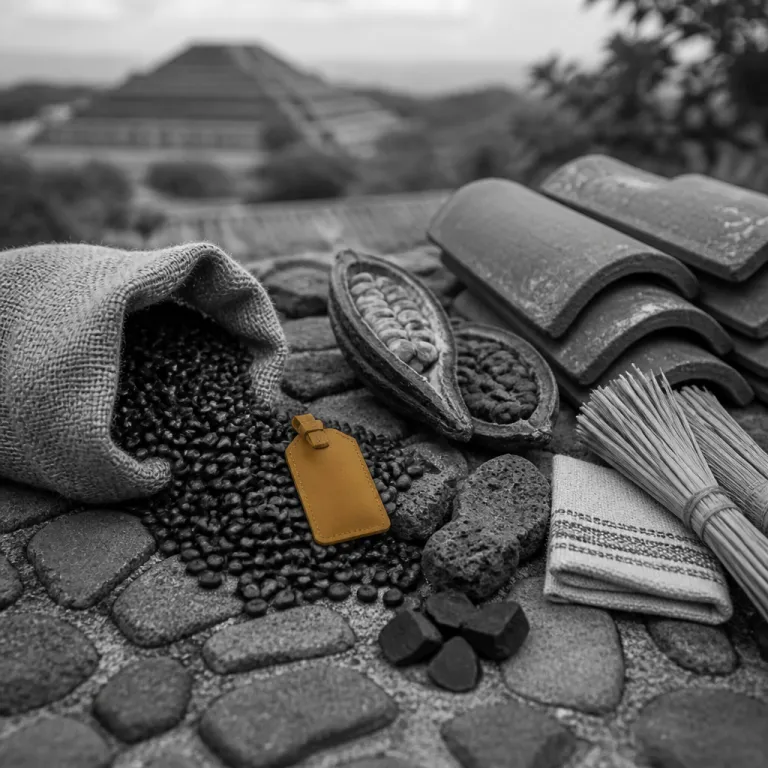
El Tazumal as a centerpiece for a luxury stay in western El Salvador
El Tazumal is a pre-Columbian Maya archaeological site in western El Salvador, and it anchors many refined itineraries for discerning travelers. This ceremonial complex sits in the town of Chalchuapa in the Santa Ana department, where premium hotels in the nearby city of Santa Ana and in San Salvador offer easy access and elevated comfort. When you plan a stay around El Tazumal, you weave ancient history, curated service, and thoughtful logistics into one seamless journey.
The Tazumal complex forms part of a wider cultural corridor that includes the UNESCO-listed archaeological site of Joya de Cerén, so luxury travelers often pair both sites with a single high-end base. Tazumal Chalchuapa lies about 15 kilometres west of the city of Santa Ana, and around 80 kilometres from San Salvador, which means you can choose between an urban luxury hotel in the capital or a premium retreat closer to the ruins. Either way, the time Tazumal occupies in your itinerary will shape how you select room categories, transfer services, and private guiding options.
At the heart of the site stands the main pyramid structure, a stepped mass rising roughly 23 metres above its platform and surrounded by smaller side structures and ceremonial platforms. These ruins Tazumal represent a long occupation period from roughly 1 to 1200 CE, spanning Preclassic, Classic, and Postclassic phases of Maya civilization. When you enter and walk through the archaeological park today, you move across layers of history that specialists have carefully excavated and stabilized for safe, comfortable visits.
Understanding the Tazumal ceremonial complex before you book
Knowing what awaits at the Tazumal ceremonial core helps you choose the right hotel location and services. The archaeological site includes a dominant pyramid structure, several temples, buried platforms, and a ball court, all arranged within a compact complex that is easy to explore in one unhurried visit. Because the site dates to a long occupation period, you will notice architectural details from different eras as you enter, walk, and pause on each terrace.
The town Chalchuapa once functioned as a significant Maya city, and Tazumal Chalchuapa formed its most important religious and residential nucleus. Archaeological research shows that the main pyramid and adjacent structures were built and modified between the early Preclassic period and the late Postclassic period, with the time Tazumal flourished most intensely during the Classic centuries. Today, the ruins Tazumal share this landscape with modern Chalchuapa, so you can combine a morning at the archaeological site with an afternoon coffee tasting or a return to your luxury hotel spa.
Many premium travelers pair Joya de Cerén and El Tazumal in a single cultural day, then return to a high-comfort base that understands these routes. For a detailed look at how to match Joya de Cerén, El Tazumal, and nearby premium stays, you can consult this guide on pairing El Salvador’s archaeological sites with nearby hotels. This kind of planning lets you appreciate each archaeological structure in context, while your hotel handles timing, transfers, and tailored amenities.
Choosing where to stay: Santa Ana, San Salvador, or near Chalchuapa
Luxury and premium hotel options for visiting El Tazumal cluster mainly in three areas, and each suits a different travel style. The city of Santa Ana offers elegant properties in restored mansions and modern towers, giving you a refined base about 20 to 30 minutes from the archaeological site by private car. San Salvador, the capital city, provides the widest range of five-star hotels, branded luxury towers, and premium serviced apartments, though the drive to the site usually takes around ninety minutes.
Staying in Santa Ana places you closer to the ruins Tazumal and to other attractions such as the Santa Ana volcano and Lake Coatepeque, which many high-end travelers combine with cultural visits. In San Salvador, you gain access to the country’s best restaurants, upscale shopping, and embassy districts, so a private day trip to the archaeological site becomes one curated experience among many. Some travelers choose a split stay, starting with two nights in the capital and then moving to a quieter property near the town Chalchuapa for easier access to the Tazumal complex and surrounding coffee highlands.
When you compare premium hotels, look for concierge teams who understand the archaeological site and can arrange expert guides, timed entries, and comfortable transfers. A helpful reference for evaluating service levels is this overview of top premium hotels El Salvador offers for an unforgettable stay, which highlights properties used frequently by cultural travelers. With the right base, you can enter, walk, and linger at the main pyramid and side structures without worrying about logistics or timing.
What to expect on site at El Tazumal
Once you arrive at El Tazumal, the first impression is the compact yet imposing layout of the archaeological site. The main pyramid structure rises from a broad platform, with stairways, terraces, and side structures that once supported temples and ceremonial spaces. Around it, you will see additional structures that archaeologists interpret as residential platforms, altars, and a ball court, all forming a coherent ceremonial complex.
The pyramid reaches about 23 metres in height, and from its upper levels you gain a clear view across Chalchuapa and the surrounding Santa Ana countryside. Because the site dates to a long occupation period, you may notice construction phases where earlier stonework is encased within later additions, a pattern typical of Maya ceremonial centers. Informational panels, based on research by the Ministry of Culture of El Salvador and archaeologists such as Stanley Boggs, explain how the Maya civilization used this complex for rituals, governance, and daily life, and they highlight the early use of metal artifacts that makes Tazumal notable in Mesoamerican archaeology.
Practical details matter for a comfortable visit, even when you travel in luxury. Wear comfortable shoes, as you will enter, walk, and climb across uneven surfaces, and check local weather conditions because the platform and pyramid can feel hot under direct sun. Many travelers also visit the on-site museum, where artifacts from the ruins Tazumal and the wider Tazumal Chalchuapa area provide context for what you see in the open-air structures.
Designing a premium itinerary around El Tazumal and other landmarks
A thoughtful itinerary around El Tazumal balances archaeological depth with the comforts and services expected from luxury and premium hotels. One popular pattern is to base yourself in San Salvador for two or three nights, visiting Joya de Cerén and the capital’s museums, then transfer to Santa Ana for a night or two focused on the Tazumal ceremonial complex and nearby natural landmarks. This approach reduces daily driving time while keeping you close to high-quality dining, wellness facilities, and curated excursions.
From Santa Ana, a private driver can bring you to the archaeological site in Chalchuapa in less than half an hour, leaving ample time to enter, walk, and explore the main pyramid and side structures before the midday heat. You can then continue to the city of Santa Ana for its neo-Gothic cathedral and theatre, or to Lake Coatepeque for a lakeside lunch, returning to your hotel in time for spa treatments or a tasting menu. Another option is to arrange a helicopter transfer from San Salvador, which some high-end operators offer for guests who want aerial views of the Santa Ana volcano and the wider Tazumal Chalchuapa landscape.
When planning, consider how the time Tazumal requires fits with other archaeological site visits, such as San Andrés or Joya de Cerén, and whether you prefer a single luxury base or a multi-stop route. For reassurance about current conditions and logistics, many travelers consult a detailed ground-level report on safety for tourists in El Salvador before finalizing bookings. With clear information, you can focus on the experience itself, from the moment you step onto the platform to your last evening cocktail back at your hotel.
Heritage, preservation, and why El Tazumal matters to discerning travelers
Part of the appeal of El Tazumal for luxury travelers lies in its role as a carefully preserved window into Maya history. Archaeologist Stanley Boggs led major excavations and restoration work here in the mid-twentieth century, stabilizing the main pyramid structure and associated temples so visitors could safely enter, walk, and appreciate the complex. His work, documented in official archaeological reports and supported by Salvadoran cultural authorities, helped transform the ruins Tazumal from overgrown mounds into a legible archaeological site.
The site dates to an occupation period of roughly twelve centuries, and this continuity gives the Tazumal ceremonial core a layered, lived-in character that contrasts with more monumental but less intimate ruins elsewhere in Mesoamerica. Tazumal Chalchuapa served as both a ceremonial and residential center, meaning the structures you see today once framed everyday life as well as high ritual. When you stand on the upper platform of the pyramid and look across the town Chalchuapa, you sense how the ancient city and the modern community share the same terrain.
For travelers who value context, pairing El Tazumal with Joya de Cerén and other archaeological sites in the Santa Ana and San Salvador regions deepens understanding of how different Maya communities adapted to their environments. Luxury hotels that invest in trained guides, curated reading lists, and flexible transfer options help guests engage with this heritage in a meaningful yet comfortable way. As one concise summary from a local guide puts it, “Tazumal is a pre-Columbian Maya archaeological site in El Salvador, and its main pyramid and surrounding structures tell the story of a city that never entirely disappeared.”
Key figures and practical statistics for planning your visit
- The main pyramid at El Tazumal rises about 23 metres above its base platform, which makes it one of the tallest pre-Hispanic structures accessible to visitors in western El Salvador, according to technical measurements published by specialized archaeological surveys and the Ministry of Culture.
- Archaeologists estimate that the broader Tazumal Chalchuapa area formed part of a settlement zone covering roughly 10 square kilometres, indicating that the ancient city extended well beyond the visible archaeological park and into what is now the modern town Chalchuapa.
- The occupation period of the archaeological site spans approximately 1 to 1200 CE, meaning the time Tazumal remained active reaches about 1,200 years, a duration that reflects sustained ceremonial and residential importance in the Santa Ana region.
- Driving distance from San Salvador to El Tazumal is around 80 kilometres, and private transfers from luxury hotels in the capital typically take between 75 and 90 minutes depending on traffic, which is a comfortable half-day excursion when combined with a guided tour.
- From the city of Santa Ana, the archaeological site in Chalchuapa lies roughly 15 kilometres away, so premium travelers based in Santa Ana usually reach the ruins Tazumal in 20 to 30 minutes, allowing flexible timing to enter, walk, and explore before or after peak heat.
FAQ: El Tazumal and luxury travel logistics
What is El Tazumal and where is it located ?
El Tazumal is a pre-Columbian Maya archaeological site located in the town Chalchuapa, within the Santa Ana department of El Salvador. The archaeological park sits about 15 kilometres west of the city of Santa Ana and roughly 80 kilometres from San Salvador. It forms part of a wider complex of ruins Tazumal and related structures that once anchored an important Maya city.
How long should I plan for a visit to El Tazumal ?
Most travelers spend between one and two hours inside the archaeological site, which is enough time to enter, walk, and explore the main pyramid, side structures, and the on-site museum. If you travel from San Salvador or Santa Ana with a private guide, plan a half day including transfers so you can move at a relaxed pace. Guests who combine El Tazumal with Joya de Cerén or other sites often dedicate a full day to cultural visits.
Which luxury hotel bases work best for visiting El Tazumal ?
The most convenient premium bases are in the city of Santa Ana, which offers quick access to the ruins Tazumal, and in San Salvador, which provides the widest range of five-star hotels and services. Some travelers choose a split stay, starting in the capital and then moving closer to Chalchuapa for shorter transfer times to the archaeological site. When booking, look for properties whose concierge teams regularly arrange visits to El Tazumal and other Santa Ana landmarks.
Is El Tazumal suitable for travelers with mobility concerns ?
The core of the archaeological site is relatively compact and mostly flat, but the main pyramid and some platforms involve uneven steps and slopes. Travelers who prefer to avoid climbing can still appreciate the pyramid structure, temples, and other structures from ground level, and many guides adapt routes to individual needs. Luxury hotels can often arrange private vehicles and flexible timing so you can enter, walk, and rest as needed.
Can I combine El Tazumal with other historic landmarks in one day ?
Yes, many itineraries combine El Tazumal with Joya de Cerén, San Andrés, or the historic center of Santa Ana in a single day, especially when using private transport from San Salvador or Santa Ana. The key is to start early, allowing enough time at each archaeological site to explore the main pyramid, side structures, and museums without rushing. A well-planned route lets you experience multiple periods of Salvadoran history while returning to your luxury hotel by late afternoon.