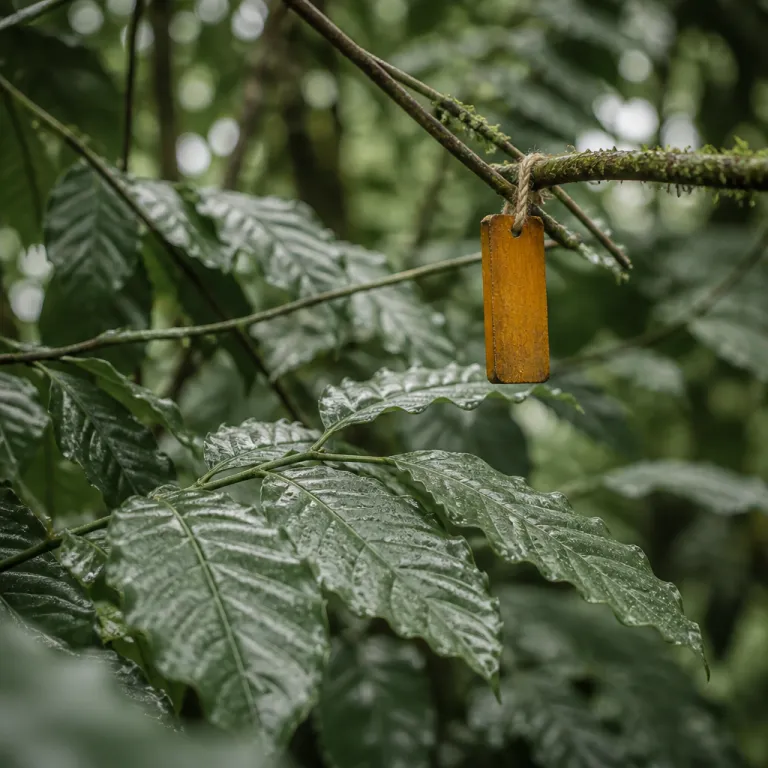
August on the Ruta de las Flores: el salvador coffee finca rainy season in full green
August in the El Salvador highlands is when the el salvador coffee finca rainy season turns the Ruta de las Flores into a deep green amphitheater. Morning clouds lift slowly over the Apaneca-Ilamatepec volcanic range, revealing coffee farms grown under dense shade trees and slopes that sit comfortably above 1,200 metres. By early afternoon, the climate shifts and the first drops arrive, feeding streams and waterfalls that will shape your stay as much as any tasting flight of Salvadoran coffee.
This is not harvest time; instead, plants are in the middle of the coffee growing cycle, heavy with firm green coffee cherries that will not be picked for months. Walking a high grown farm coffee trail now means seeing the coffee process paused between flowering and harvest, a quiet but essential chapter in coffee production. The green season, often called the rainy season or simply winter by local coffee farmers, is when the landscape shows how the industry depends on a delicate balance of rain, shade and volcanic soil.
Average rainfall in the highland growing regions reaches around 200 millimetres in August, according to data shared by El Salvador’s environment ministry (MARN, 2023), which explains the intense canopy and the saturated moss on every stone wall. Temperatures sit between 18 and 22 degrees Celsius at altitude, so a light sweater feels good at sunrise while you watch workers move between lots and check drainage channels. For travelers, this climate makes the el salvador coffee finca rainy season a comfortable time to hike, learn about the coffee industry and return to a warm cup of specialty coffee as the afternoon showers roll in.
Staying on working fincas: El Carmen Estate, Santa Leticia and the rhythm of rain
On the slopes above Ataco, El Carmen Estate shows how a fourth generation family has turned farm coffee into a refined guest experience during the August green season. The restored hacienda sits between carefully terraced coffee farms, where high grown lots stretch toward the Apaneca-Ilamatepec ridge and mist hangs low over the shade trees. Mornings are for walking with coffee farmers who explain how the coffee process adapts to climate change, while afternoons are for reading under a tiled veranda as rain drums on the roof.
If you want a deeper look at Salvador coffee during this green season, read our detailed stay report on coffee altitude and slow mornings at El Carmen Estate. Guides there talk candidly about how the coffee industry has shifted from selling anonymous green coffee to nurturing quality coffee and specialty coffee relationships with roasters abroad. One long-time guide, Don Luis, often tells guests that years ago, before the specialty segment grew, few visitors came in August, but now the rainy season is valued for its slower pace and the chance to see coffee growing without the rush of harvest.
Further along the Ruta de las Flores near Juayúa, Finca Santa Leticia blends sculpture garden, small hotel and working farm into one elegant property. Here, you can walk from your room directly into rows of Salvadoran coffee trees, watch workers manage drainage and soil conservation, and taste different lots that show how climate and altitude shape flavor. During the el salvador coffee finca rainy season, the contrast between the polished hospitality and the muddy boots of the coffee farmers underlines how closely the luxury experience is tied to the land and to the wider coffee industry of the country.
Luxury in the green season: canopy trails, waterfalls and quiet mountain hotels
Choosing the el salvador coffee finca rainy season for a highland stay changes the definition of luxury for many travelers. Instead of infinity pools and crowded lobbies, you get empty forest trails, waterfalls at full volume and hot springs that feel more intimate under a light drizzle. Properties along the Ruta de las Flores, from refined mountain lodges to family run haciendas, lean into this mood with fireplaces, thick duvets and tasting menus built around Salvador coffee and local produce.
Rates in these highland hotels often sit 15 to 25 percent lower in August than during the dry season peak, according to booking data shared by several Ruta de las Flores properties in 2022, which makes a quality room with views over coffee farms a particularly good value. Our guide to elegant mountain stays along El Salvador’s Ruta de las Flores highlights properties that understand how to frame the green season as an asset, not a compromise. You wake to the sound of distant pick up trucks on farm roads, sip specialty coffee while watching clouds slide across the Apaneca-Ilamatepec ridge, then head out with a guide for a canopy walk that passes under shade trees planted decades or even years ago to protect coffee growing from direct sun.
Afternoons are when the climate usually shifts and the rain arrives, which is the perfect time to visit on site cupping rooms or small cafés that focus on quality coffee from nearby lots. Some hotels arrange visits to Los Chorros de la Calera when the water is at its most dramatic, pairing the excursion with a stop at a family owned farm where you can see how green coffee is prepared for the market. By evening, you are back under a tiled roof, listening to the rain and understanding why this rainy season in El Salvador’s coffee fincas is often the most quietly luxurious time to be in the highlands.
From farm to cup: understanding quality, climate and the people behind your pour
Spending time on coffee farms in August turns abstract words like quality and process into something you can see and touch. Guides will walk you through the coffee process from soil management to pruning, then into simple wet mills where they explain how coffee cherries are pulped, fermented and dried once harvest arrives. As one local agronomist who works with the Salvadoran Coffee Council explained in a 2021 field visit, the green season is when rainfall builds the year’s foliage and root strength, and August is ideal for seeing active coffee cultivation, joining farm tours, tasting different lots and understanding how harvesting will unfold later.
These conversations often touch on climate change, because every coffee farmer in the country has seen shifts in rainfall patterns and temperature over the past year and beyond. Staff sometimes reference guidance from the national coffee institute, PROCAFE, when they talk about new shade management or soil conservation techniques designed to keep coffee good and resilient (see PROCAFE technical bulletins, 2020–2023). You might stand beside a drying patio that will be full of parchment months from now, listening to how the coffee industry is rethinking selling strategies, moving from bulk lots to traceable Salvador coffee and specialty coffee that highlight single farms or even single blocks.
For travelers who split their trip between the highlands and the capital, an urban stay at a refined property such as the Courtyard San Salvador can frame the contrast between city comfort and rural immersion; our review of this elegant urban escape in San Salvador explains how to pair it with a finca visit. In the city, you taste Salvadoran coffee in polished cafés that buy directly from coffee farmers in the Apaneca-Ilamatepec and other growing regions, then a day later you are on the farm where that same green coffee is still on the tree. That loop, from market back to farm and from cup back to country, is what makes the el salvador coffee finca rainy season such a good time for travelers who care about where their coffee was grown and who produced it.
FAQ
What is the green season in El Salvador’s coffee highlands ?
The green season in El Salvador’s coffee highlands is the period of heavier rainfall that runs through August and surrounds it, when landscapes become intensely lush. During this time, coffee farms are in the growing phase, with plants carrying green coffee cherries rather than ripe fruit ready for harvest. Trails, waterfalls and shade canopies are at their most dramatic, which makes the el salvador coffee finca rainy season appealing for travelers who enjoy cooler temperatures and quieter properties.
Why choose August for a stay on coffee farms ?
August is an excellent time because you see coffee growing in full leaf, without the rush of harvest crews and trucks. The climate in high grown areas such as the Apaneca-Ilamatepec range stays mild, with cool mornings and predictable afternoon showers that frame your day rather than disrupt it. Prices at many mountain hotels are lower than in the dry season, so you often secure quality rooms and guided farm tours at a particularly good value.
What should I pack for the el salvador coffee finca rainy season ?
Pack a light waterproof jacket, a compact umbrella and a waterproof day pack to protect cameras or phones during sudden showers. Sturdy trail shoes with good grip are essential, because paths between coffee lots and through shade forest can become slick after rain. A light sweater or fleece is useful for early mornings at 1,200 metres or more, when temperatures in these growing regions feel noticeably cooler than in San Salvador or the coastal lowlands.
Can I see coffee processing during the green season ?
During August, most farms are not yet processing coffee because cherries are still green and maturing on the trees. However, guides will often walk you through the coffee process using empty tanks, drying patios and equipment, explaining how things change once harvest begins later in the year. This makes the el salvador coffee finca rainy season a good moment to learn the theory and context of coffee production without the noise and pressure of active mills.
How do finca stays support local farmers and the coffee industry ?
When you stay on coffee farms or in nearby mountain hotels that partner closely with producers, part of your rate goes directly into maintaining the land and paying staff during months when selling coffee brings in less cash. Many properties employ local families year round, offer guided tours led by coffee farmers and buy Salvadoran coffee from neighboring farms for their cafés. This model helps diversify income in the coffee industry, which is especially important as climate change and market volatility challenge traditional farm economics.