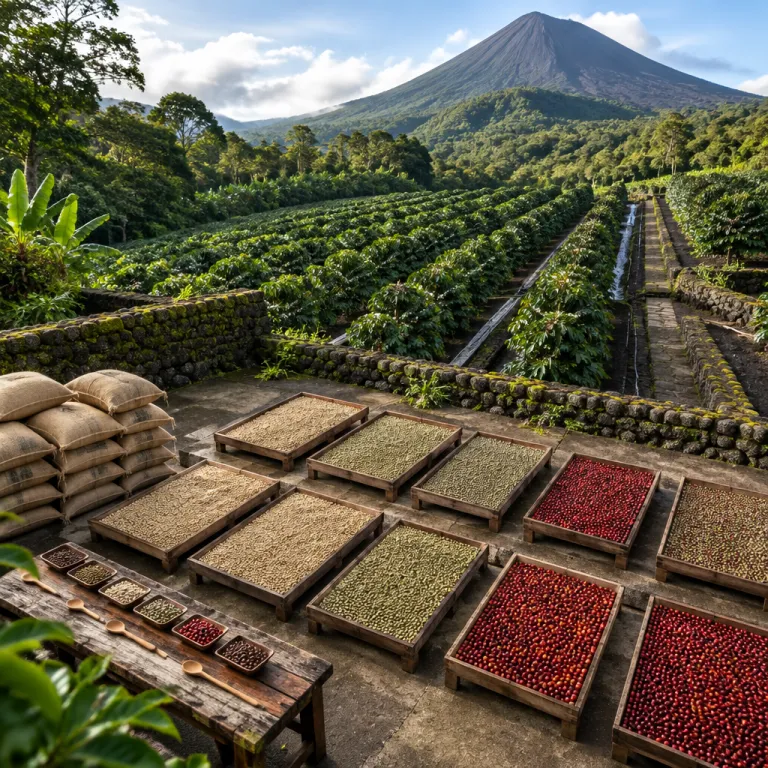
From auction floors to hotel terraces: el salvador gesha specialty coffee arrives in style
Order a pour over in a serious San Salvador lobby and you now hear a new refrain about el salvador gesha specialty coffee. Baristas speak of salvador geisha and other high grown coffee varietals with the same precision that sommeliers reserve for Burgundy, linking each cup to a specific farm and altitude. For luxury travelers, that means your first coffee of the day can be as curated as your suite category.
Salvador coffee once moved in bulk, but the focus has shifted to single origin salvador coffees with transparent coffee origin stories and meticulous process notes. The country’s best coffees salvador wide now come from shade grown plots on volcanic slopes, where each varietal is separated, cupped and scored before it ever reaches international coffee roasters. This is where gesha geisha enters the picture, a delicate varietal whose high aroma, layered flavor and silky body have pushed the regular price of top lots far beyond standard specialty coffee benchmarks.
At recent international coffee auctions, competition grade Salvadoran Gesha has reached a highest auction price of 55.90 USD per pound, with an average auction price of 20.87 USD per pound, according to the 2023 El Salvador Cup of Excellence competition organized by the Alliance for Coffee Excellence. Those numbers are not abstract for guests checking into premium hotels; they explain why a tasting flight of salvador coffees might sit on the menu beside rare mezcals and low intervention wines. When a concierge suggests a day trip to a family farm in the Apaneca Ilamatepec region or to the slopes of Santa Ana volcano, they are inviting you into the same value chain that links green coffee selection, coffee production and the final cup in your hand.
Volcanic terroir and coffee heritage: where luxury estates meet origin stories
Long before el salvador gesha specialty coffee appeared on auction sheets, this compact country was a powerhouse of coffee production in Central America. The western highlands around Santa Ana, Apaneca Ilamatepec and the storied ridge of Los Pirineos built a reputation for balanced coffees with medium acidity and a sweet, rounded body. Today, the same slopes host a new generation of family estates opening their gates to travelers who care about coffee origin as much as ocean views.
On a clear morning above the Santa Ana crater, you can stand in a shade grown plot and see how volcanic ash, altitude and wind shape salvador coffee trees. Many of these parcels are grown by multi generation family producers who now separate their gesha and geisha varietal trees from traditional Bourbon or Pacas lines, treating each as a distinct single origin expression. The result is a spectrum of salvador coffees where a natural process lot from Los Pirineos might show high tropical flavor and pronounced acidity, while a washed Pacas from Apaneca Ilamatepec leans toward cocoa and nuts with medium acidity.
Luxury lodges along the Ruta de las Flores increasingly build itineraries around these estates, pairing finca visits with textile ateliers and Nahuat workshops so that coffee, craft and culture sit side by side. If you want a deeper cultural immersion, properties highlighted in this guide to Salvadoran lodges that weave heritage into a luxury stay often combine coffee farm excursions with private tastings back at the hotel. For the solo explorer, that means you can wake in a high thread count bed, spend the day walking coffee varietals with a producer, then return to a terrace where the same beans appear as a carefully dialed in pour over.
Gesha, Pacamara and beyond: understanding the varietals in your cup
Ask a head barista in a top San Salvador hotel to talk you through el salvador gesha specialty coffee and the conversation quickly turns to varietal. Gesha and geisha refer to the same Ethiopian derived coffee varietal, now grown in select Salvadoran plots where altitude, shade and careful process can coax out jasmine, bergamot and stone fruit flavor. When you see salvador geisha or gesha geisha on a hotel menu, you are looking at the country’s most coveted coffee lots, often sold to international coffee roasters at a price that reflects their rarity.
Alongside gesha, you will encounter Pacamara, a Salvadoran bred cross of Pacas and Maragogipe that has become a signature of coffees salvador wide. Pacas itself, a natural mutation of Bourbon, remains a workhorse varietal on many family farm holdings, especially in the Apaneca Ilamatepec region and around Santa Ana. For travelers, understanding these coffee varietals turns a simple room service order into a guided tour of Salvadoran coffee production, where each single origin label signals a different balance of body, acidity and aroma.
Some luxury properties now host evening cupping sessions where guests taste side by side flights of salvador coffees, comparing a natural process gesha from Los Pirineos with a washed Pacamara from a neighboring region. In those sessions, you will hear precise language about medium acidity, high floral notes and the tactile body of each cup, often led by producers like Diego Baraona of Los Pirineos who have helped push Salvadoran lots into the global spotlight. To keep the experience grounded, pair these tastings with meals at local institutions championed in this argument for leaving the resort gate for the best Salvadoran meals, where a simple salvador coffee at a roadside comedor can surprise you as much as any white tablecloth pairing.
From finca to five star: how hotels curate Salvadoran coffee experiences
In the country’s best properties, el salvador gesha specialty coffee is no longer an afterthought but a narrative thread running from check in to checkout. Many luxury hotels now partner directly with a specific family farm in the Apaneca Ilamatepec or Santa Ana region, featuring that single origin on their breakfast menus and in room coffee stations. Some even stock green coffee from their partner estates, roasting small batches on site so guests can taste the difference between a fresh natural process lot and a more classic washed salvador coffee.
High end city hotels in San Salvador often work with leading coffee roasters who specialize in salvador coffees, commissioning exclusive lots of salvador geisha or Pacamara that never appear on public retail shelves. Beachfront properties on the Pacific coast, meanwhile, might highlight shade grown coffees salvador wide from Los Pirineos or other high elevation slopes, pairing them with sunrise yoga or late afternoon tastings overlooking the ocean view. For guests tracking every detail, menus now list altitude, varietal, process and even the name of the producer, so you can see exactly how a natural gesha from Los Pirineos differs in body and acidity from a washed Pacas grown closer to Santa Ana.
As the country’s luxury landscape evolves, new developments such as the investment detailed in this analysis of what a major JW Marriott project signals for El Salvador’s luxury hotel future suggest that coffee programming will only become more ambitious. Expect more properties to offer guided day trips where a driver takes you from your suite directly to a working farm, perhaps Los Pirineos with Diego Baraona explaining how selective harvesting and advanced drying techniques shape his gesha geisha lots. Back at the hotel, those same beans might appear as a signature espresso in the lobby bar, a cold brew by the pool and a carefully priced retail bag so you can take a piece of Central America’s most exciting coffee origin home.
Planning a coffee focused stay: routes, seasons and what to pay
Designing a trip around el salvador gesha specialty coffee starts with timing and geography. Harvest season in the highlands typically runs from late in the year into the first months of the next, when cherries are ripe and family farm crews move through the rows in selective passes. Visit then and you can watch coffee production in motion, from shade grown plots in Apaneca Ilamatepec to drying patios in the Santa Ana region where natural process lots slowly turn under the sun.
The classic tasting corridor is the Ruta de las Flores, linking towns like Ataco, Juayúa and Apaneca with easy access to estates such as El Carmen, Finca Santa Leticia and Finca San Antonio. Many luxury and premium hotels either sit on working farms or maintain close relationships with nearby producers, arranging private tours where you can walk among gesha, geisha, Pacas and other coffee varietals while learning how altitude and soil influence acidity and body. Self driving is feasible on well maintained roads, but solo travelers often prefer a driver guide arranged through their hotel, freeing them to focus on the view, the coffees salvador wide and the nuanced flavor notes in each cup.
On the financial side, expect a clear gap between the regular price of everyday salvador coffee and the premiums commanded by top salvador geisha lots. At auction, el salvador gesha specialty coffee has reached 55.90 USD per pound for standout lots, with an average of 20.87 USD per pound, figures again drawn from the 2023 El Salvador Cup of Excellence results published by the Alliance for Coffee Excellence. While those numbers place elite Salvadoran coffees firmly in the global specialty tier, record breaking Panamanian Geisha from producers such as Hacienda La Esmeralda has historically sold for significantly higher peak prices, so true “Panama level” results remain rare benchmarks rather than the norm.
FAQ
What is Gesha coffee and why does it matter in El Salvador ?
What is Gesha coffee? A high-quality coffee variety known for unique flavors. In El Salvador, this varietal is now grown on select high elevation farms in regions such as Apaneca Ilamatepec and Santa Ana, where volcanic soil and shade grown practices help it reach competition level quality. For travelers, seeing salvador geisha or gesha geisha on a hotel menu signals a carefully produced specialty coffee with distinct floral aroma, layered flavor and a refined body.
How does Salvadoran Gesha compare to Panamanian Geisha at auction ?
How does Salvadoran Gesha compare to Panamanian? Achieves similar auction prices, indicating comparable quality. Recent international auctions have seen el salvador gesha specialty coffee reach a highest price of 55.90 USD per pound, with an average of 20.87 USD per pound, based on the 2023 El Salvador Cup of Excellence auction results. However, headline Panamanian Geisha lots from estates like Hacienda La Esmeralda have historically set much higher world records per pound, so parity tends to apply to strong mid-range competition coffees rather than the very top of the global market.
Why is volcanic soil considered so important for Salvadoran coffee quality ?
Why is volcanic soil beneficial for coffee? It provides rich nutrients enhancing coffee quality. In El Salvador, active and dormant volcanoes around Santa Ana, Izalco and Apaneca Ilamatepec create mineral rich soils that support healthy root systems and consistent cherry development. When combined with altitude and careful process, this terroir helps produce coffees salvador wide with medium acidity, clean sweetness and the complexity that specialty coffee buyers seek.
Can I visit coffee farms while staying in luxury hotels in El Salvador ?
Many premium properties in San Salvador, the Ruta de las Flores and the Santa Ana region now integrate farm visits into their concierge offerings. Guests can arrange half day or full day trips to estates such as Los Pirineos, El Carmen or Finca Santa Leticia, where they walk through shade grown plots, observe the natural process and washed process drying patios and taste single origin lots on site. These experiences often include transport, guided tours and cuppings, turning a hotel stay into a direct connection with the country’s coffee origin.
Is specialty coffee in El Salvador only for experts, or suitable for casual drinkers too ?
Specialty coffee in El Salvador is accessible to both seasoned enthusiasts and curious newcomers. Luxury hotels and dedicated coffee roasters usually offer clear explanations of varietal, process and flavor, guiding guests through flights that compare salvador coffee styles without overwhelming them with jargon. Whether you simply enjoy a well balanced cup with medium acidity or seek out rare salvador geisha lots, the country’s hospitality scene now caters to every level of interest.