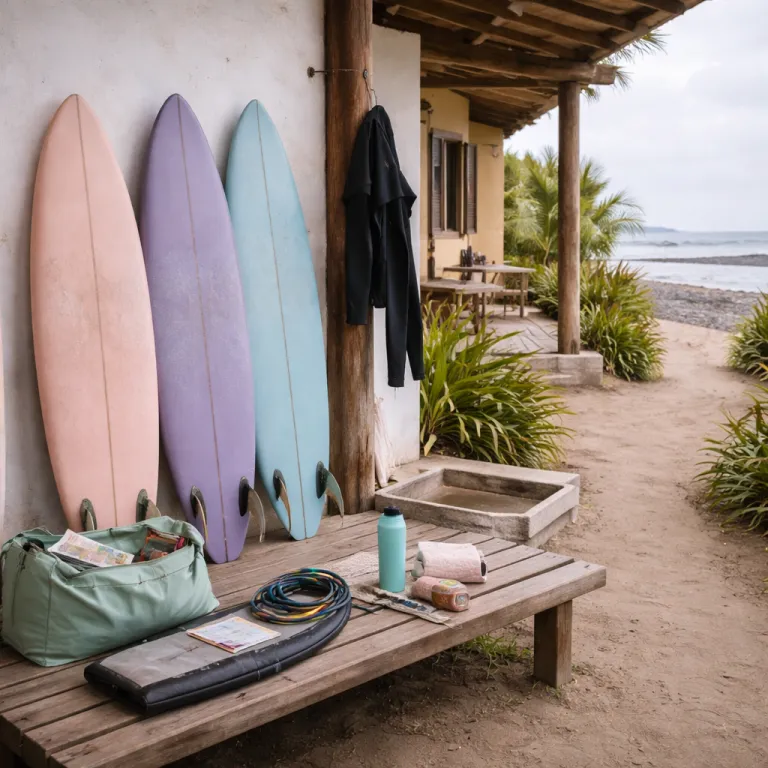
The case for anchoring your el salvador surf coast travel in one great hotel
El Salvador is compact enough that your el salvador surf coast travel does not need a colour coded spreadsheet. The surf breaks sit close together along the Central America Pacific, and the dense web of local drivers, surf instructors and hotel concierges means plans can change in an hour without stress. For luxury travelers used to Costa Rica style pre packaged weeks, this is the rare stretch of coast where a single excellent hotel in La Libertad or nearby surf towns can be your anchor and not your cage.
Think of that hotel in San Salvador or on the La Libertad surf coast as your base camp, then let each day unfold around the waves and the mood. Fixed itineraries built around five prepaid surf lessons booked weeks ahead often collapse on contact with real swell patterns, shifting sandbars and the way a single point break like Punta Roca can turn on for three days straight. When salvador surf conditions align at Punta Roca or at the more remote Punta Mango, you will want the freedom to extend your stay there rather than drive away because a schedule says so.
High end properties along this shoreline now understand that travelers want both comfort and spontaneity. The salvador best addresses in La Libertad, El Tunco and Playa El Sunzal combine polished rooms, filtered water and strong Wi Fi with staff who know which surf camp has space this afternoon and which fisherman can run you by boat to a quieter wave. For el salvador surf coast travel, that blend of beachfront elegance and flexible logistics is more valuable than any laminated travel guide or rigid group tour.
Luxury guests often ask whether they should split their trip between several surf towns or stay put. On this compact surf coast, the answer is usually to choose one or two hotels that feel right, then let your surfing and food choices radiate outward by day. You can wake up in La Libertad, check the waves at El Sunzal, hear that Punta Mango is firing, and be in a truck with a trusted driver before you finish your coffee.
There is a structural reason this approach works so well in El Salvador. The main surf coast from La Libertad through El Tunco and beyond is walkable or a short drive, and the number of quality breaks per kilometre is unusually high for Central America. When you add the fact that local surf instructors, hostel owners and fishermen operate as an informal concierge network, a rigid trip plan starts to feel like a liability rather than a safety net.
For travelers who still want some structure, think in terms of anchors rather than minute by minute plans. Book your preferred hotel in San Salvador for the first and last night, then secure one strong coastal property for the core surf coast segment. From there, your el salvador surf coast travel can flex with the wet season or dry season, with your energy levels and with the advice you gather over sunset beers.
Our own hotel reviews focus on this anchor strategy rather than on prescriptive itineraries. On our page of refined stays in San Salvador and along the coast, we highlight properties that combine strong service, reliable security and staff who actually surf. Those teams understand that surfing Salvador is not about ticking off beaches but about reading the waves, the wind and the mood of each day.
Safety questions come up often when people plan salvador surf trips without a fixed schedule. The most honest answer is the one local operators repeat to us again and again: "Yes, with standard precautions." That guidance aligns with regional advisories and means using hotel recommended drivers, avoiding solo late night walks in unfamiliar surf towns and trusting your instincts when a situation feels off.
How the surf, seasons and geography break your fixed plans anyway
On paper, a tightly planned el salvador surf coast travel schedule looks efficient. You might block three days at El Tunco, two at Las Flores and one final night in San Salvador before your flight. In reality, the way waves wrap around each punta, the way the wet season and dry season reshape sandbars and the way local storms redirect swell mean that the best laid plans rarely survive the first serious set.
Take Punta Roca, the most famous right hand point break near La Libertad, which many travelers rank among the salvador best waves. When a solid south swell hits during the main surf season, that point break can run for hundreds of metres, and suddenly every surfer in Central America seems to converge on the rocks. If you locked yourself into a non refundable room in another surf town that week, you will feel the cost of over planning every time someone shows you a phone clip of that wave.
Further east, the long right at Las Flores and the more remote Punta Mango respond differently to the same swell. Las Flores, with its gently peeling wave, can be forgiving for intermediate surfing Salvador sessions, while Punta Mango can turn heavy and hollow, rewarding only confident surfers. A fixed itinerary that assigns two days to Las Flores and one to Punta Mango ignores the way each day of a season can flip that equation, especially during the wet season when storms change the sand overnight.
Even within a single bay, the character of a wave can shift between morning and afternoon. During the dry season, offshore winds might groom the surf at dawn, then fade by midday, pushing you to surf early and explore food and culture later. In the wet season, glassy windows can appear between squalls, and your salvador surf day becomes a dance between rain showers, water clarity and the advice of whichever surf instructor you trust most.
Geography also conspires against rigid travel plans in a surprisingly friendly way. Distances between key surf towns are short, and the main coastal road makes it realistic to check several beaches in one day without feeling rushed. That means a travel guide written for another part of Central America, where long drives separate breaks, simply does not apply to this compact surf coast.
Transport options reinforce this flexibility. Public buses, private shuttles and hotel arranged pickups make it easy to pivot when someone mentions a good sandbar forming near a lesser known punta. Fishermen in La Libertad and near Las Flores often run informal boat trips to outer reefs, turning a planned lazy day into a spontaneous surf camp style adventure with point break waves and deep blue water.
Even non surfing days resist over planning. Volcano hikes near Santa Ana or coffee country excursions from San Salvador can be slotted in when the surf goes flat or when your shoulders need a break. A rigid schedule that forces you onto a volcano trail on the one day Punta Roca is flawless will feel like a planning failure, not a mark of efficiency.
For el salvador surf coast travel, the smarter move is to plan around seasons and anchors, not around specific waves on specific days. Block out a window that straddles the main swell season if surfing is your priority, then let local knowledge guide you toward the best beach or point break on any given morning. That way, when the salvador surf turns on unexpectedly at a lesser known spot, you are free to chase it rather than argue with a calendar.
Let the local network curate your surf, food and culture in real time
The real luxury on this surf coast is not a marble lobby. It is the ability to step out of your room, talk to a surf instructor who paddled out at dawn and adjust your el salvador surf coast travel plans before breakfast. Local surf instructors, hostel owners and fishermen form a living algorithm that outperforms any static travel guide or pre trip spreadsheet.
In La Libertad, the salvador surf conversation starts on the malecón before sunrise, when fishermen return and surfers check the waves at the pier. A quick chat can reveal whether Punta Roca is lining up, whether a nearby beach break is handling the swell better or whether a boat mission toward Punta Mango makes sense that day. This is where the concept of surfing Salvador becomes less about chasing famous names and more about reading the coast like a local.
Further along the surf coast, in El Tunco and the surrounding surf towns, hostel owners and hotel managers act as informal concierges for solo travelers. They know which surf camp has space for a last minute coaching session, which driver is heading toward Las Flores tomorrow and which stretch of beach is safest for a first attempt at surfing. For el salvador surf coast travel, this human network is the reason you can arrive with only a hotel booking and still end up at the best wave of your trip.
Food follows the same pattern of real time curation. Rather than locking in restaurant reservations weeks ahead, ask the night manager where the staff actually eat after work, then cross reference that with a trusted local guide to pupuserías near La Libertad's hotels. You will quickly learn that the good places for post surf food are rarely the ones with the biggest signs but the ones where surf instructors refuel on pupusas and fresh water based licuados before the next session.
Even at the more refined end of the market, the best properties lean into this spontaneity. A coastal hideaway in Mizata, for example, works because it combines polished service with staff who know when to suggest a lazy pool day and when to nudge you toward a point break. That balance is what separates true beachfront elegance from generic Central America luxury that could sit in any country from Costa Rica to Colombia.
For solo travelers, a simple weekly pattern keeps things grounded. Use your main hotel as a base, treat one trusted surf instructor as your informal guide, and leave at least two dinners each week unplanned for spontaneous food discoveries. This rhythm respects the reality that el salvador surf coast travel is shaped by waves and weather, not by the kind of rigid timetables that might suit a city break in Europe or North America.
Water temperature along this coast hovers around 27 °C for much of the year, according to long term averages published by Surfline and similar forecast services, which means you can surf in boardshorts or a light suit most of the time. That warmth, combined with the short distances between surf towns, encourages multiple short sessions and last minute decisions. You might paddle out for a quick wave at dawn, take a mid morning truck to another beach, then end the day with sunset drinks back at your hotel without ever feeling rushed.
Local advice also extends beyond the surf. Ask about low key volcano hikes, safe nightlife options or day trips inland to Santa Ana, and you will get nuanced answers that no generic travel guide can match. This is how el salvador surf coast travel still rewards those who arrive with curiosity, a solid hotel booking and the willingness to let conversations, not algorithms, shape each day.
When you should still pre book — and why the window is closing
There is a counter argument to all this, and it deserves respect. Not every traveler has the flexibility to let el salvador surf coast travel unfold entirely on the fly, especially those with limited days, no surf background or a strong need for structure. For them, a hybrid approach that locks in key elements while leaving daily details open can be the salvador best compromise.
If you are new to surfing Salvador, pre booking a few lessons at a reputable surf camp in La Libertad or El Tunco can remove anxiety. Knowing that a qualified instructor, a suitable board and safe conditions await on your first day allows you to relax into the trip. After those initial sessions, you can let the salvador surf community guide you toward other beaches, from the forgiving waves of Las Flores to more advanced point break setups.
Travelers arriving in peak holiday periods or during major swell windows should also secure their preferred hotels well ahead. As El Salvador moves from roughly four million annual visitors toward the five million mark, according to recent figures from the Ministry of Tourism and regional outlets such as The Tico Times, pressure on the most desirable surf towns and beachfront rooms will intensify. The window where you can land in San Salvador with only a first night booked and still score a prime room on the surf coast is narrowing with each season.
Families, risk averse travelers and those combining surf with work may want a more defined framework. In that case, think of your plan as a skeleton rather than a script: book your flights, your primary coastal hotel, perhaps one inland night near Santa Ana for volcano hikes, and a couple of anchor experiences. Leave the rest of each day open for the kind of spontaneous travel that this part of Central America still makes possible.
It is also worth acknowledging that el salvador surf coast travel sits within a broader regional context. Compared with Costa Rica, where many surf towns now operate on near resort logic, El Salvador still feels like a place where a conversation with a fisherman can change your day. That will not last forever, especially as infrastructure improves and more North America based travelers add the country to their regular surf circuit.
For now, though, the structural realities still favour the traveler who arrives with a hotel and a return ticket, not a minute by minute plan. The surf coast is compact, the number of quality waves is high, and the human network of instructors, hostel owners and fishermen remains the most reliable filter. As long as that remains true, el salvador surf coast travel will continue to reward those who trust the process and accept that the best beach for any given day might be the one they had never heard of.
Use a simple rule of thumb when deciding how much to pre book. The less time you have, the more you should lock in; the more time you have, the more you can let the salvador surf dictate your movements between surf towns, volcano hikes and lazy pool days. Either way, treat your plan as a living document that responds to waves, weather and the quiet advice you hear over breakfast.
For readers who want to go deeper into specific properties and neighbourhoods, our role at myelsalvadorstay.com is to provide the honest, unsponsored hotel intelligence that underpins this flexible style of travel. We walk the surf coast, talk to the people who shape it and sleep in the rooms we recommend, so that when you arrive with only a few key bookings, you can trust the ground beneath your feet. That is the kind of authority el salvador surf coast travel now demands as the country steps fully onto the Central America luxury map.
Key figures shaping flexible luxury travel on El Salvador's surf coast
- Average coastal water temperature sits around 27 °C according to multi year data compiled by Surfline and other regional surf forecast platforms, which supports year round surfing without heavy wetsuits and encourages spontaneous multi session days.
- Regional surf resources such as LatAm Surfing list roughly ten distinct surf spots along the main La Libertad corridor, an unusually high density that makes same day spot hopping realistic for most travelers.
- Budget oriented guides like Pack Lightly estimate an average daily spend of about 40 USD for basic surf travel in El Salvador, a figure that rises with luxury hotels but still undercuts many Costa Rica surf towns at comparable quality levels.
- Tourism reports referenced by Central America focused outlets such as The Tico Times and official Ministry of Tourism updates indicate that El Salvador now welcomes more than four million visitors annually, a rapid rise that suggests the current window for low structure surf travel may narrow as numbers approach five million.
- Local operators describe the main surf season as running from March through October for consistent swells, with March and April often highlighted for clean conditions and the wet season months bringing larger, more powerful waves.
- Safety guidance from regional travel advisories aligns with local voices who answer the question "Is El Salvador safe for travelers?" with the phrase "Yes, with standard precautions.", underscoring the importance of using vetted drivers and reputable hotels while still allowing flexible movement along the surf coast.
Trusted references for further planning
- Surfline — regional forecasts and water temperature data for El Salvador's Pacific coast.
- Lonely Planet Central America — background context on El Salvador, transport and safety.
- El Salvador Ministry of Tourism — official updates on visitor numbers, infrastructure and seasonal events.