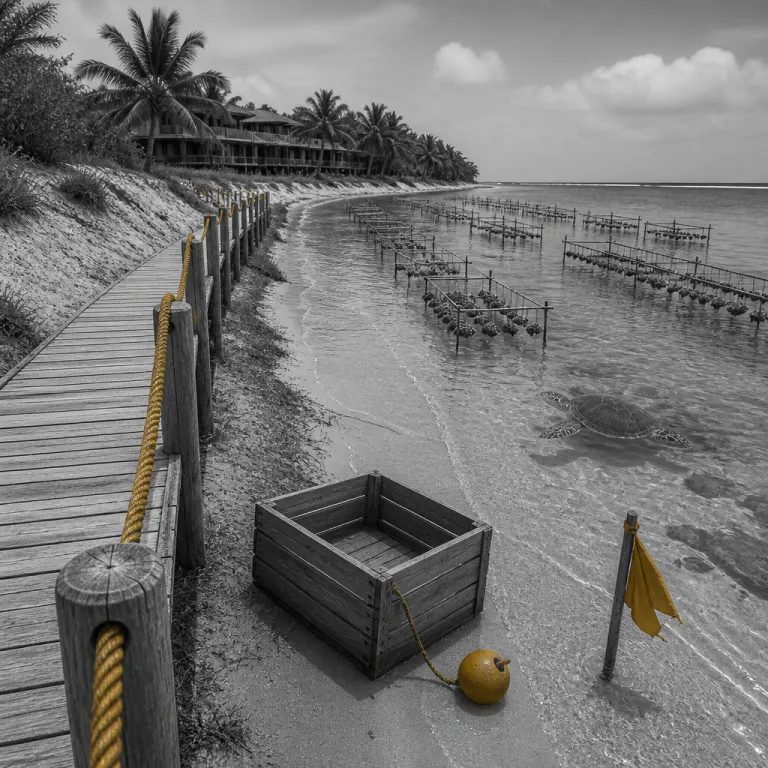
Sea turtle season in El Salvador: how to read hotel eco-claims
Reading hotel eco-claims in El Salvador’s turtle season
Along El Salvador’s Pacific coast, luxury hotels increasingly frame themselves as gateways to responsible travel and sea turtle conservation. For a solo traveler who cares about impact, the question is whether these eco-programs are genuine sustainable tourism or just clever marketing wrapped in sea turtle imagery. The stretch of beaches in El Salvador, from El Zonte to Las Flores, now sells sunset cocktails and turtle release ceremonies in the same breath.
Sea turtle nesting season on this coast runs roughly from July to November, when olive ridley and hawksbill sea turtles haul themselves onto dark sand beaches to lay eggs. During these months, you will see the language of eco travel and turtle protection everywhere, from glossy booking engines to hand painted signs at small hatchery shacks run by local cooperatives. Some properties quietly fund a conservation program that protects turtle eggs and wildlife, while others simply add a turtle icon to their tourism brochure and call it sustainable.
Understanding the difference starts with knowing how turtle conservation actually works in El Salvador. Conservation groups and hotel partners collect sea turtle eggs at night, relocate them to a protected hatchery on the beach, then monitor the sand until each turtle hatchling is ready for release into the sea. These hatchlings are part of a larger network of marine conservation efforts across Central America, where national parks, coastal communities and NGOs collaborate to keep sea turtles, bird species and other wildlife from slipping away.

La Cocotera, Palo Verde and the hotels doing the hard work
Only a handful of Salvadoran luxury properties have built credible eco tourism around turtle conservation and coral restoration. La Cocotera Resort in La Barra de Santiago is one of the rare hotels where the sustainability story runs deeper than a single turtle release photo on Instagram. Here, the resort works with local conservation partners to operate an on site hatchery, fund egg collection and host structured wildlife education activities for guests.
Data from environmental organizations such as FUNZEL and FIAES indicate that more than 50,000 turtle hatchlings are released annually from roughly 21 active hatcheries along the Salvadoran coast (based on program summaries for the 2018–2022 nesting seasons compiled from NGO monitoring reports). La Cocotera’s stretch of beach contributes meaningfully to those numbers. The resort follows a green leaf style framework similar to the Certification for Sustainable Tourism model used elsewhere in Central America, tracking water, energy and waste as carefully as it tracks turtle hatchling survival rates, which local partners estimate at around 80–90% from egg to ocean in well managed hatcheries.
Further east, properties near Las Flores and along the Ruta Las Flores corridor are experimenting with integrated eco tourism that links the coast to coffee plantations and cloud forests inland. A smart way to understand this emerging scene is to pair a coastal stay with a farm focused escape, such as the kind of finca based dining highlighted in our guide to farm to table at altitude. This lets you see how sustainable tourism in El Salvador can connect sea turtle conservation on beaches with regenerative agriculture in the highlands.
NGOs, numbers and what real conservation looks like on the sand
Behind the polished lobby of any credible sea turtle program in El Salvador, you will usually find a local NGO doing the technical work. SalvaNATURA’s SalvaTORTUGA project, FUNZEL and the environmental investment fund FIAES are three of the most important actors supporting turtle conservation and coral restoration along the coast. They provide the hatcheries, monitoring equipment and community training that most hotels could never manage alone.
These organizations describe their mission clearly through three core methods: egg incubation, turtle releases and community education. Their stated objectives are to protect marine ecosystems, enhance biodiversity and promote sustainable tourism, and they implement these goals through conservation program initiatives such as the QUELONIA project. FIAES and FUNZEL technical sheets for recent seasons (for example, 2019–2021 coastal conservation reports) detail how hatchery budgets cover local staff stipends, night patrol fuel and basic research equipment, while SalvaTORTUGA coordinators publish contact emails and project pages so partner hotels can route guest donations directly to field teams.
For travelers who care about data, the numbers matter as much as the sunset photos. The figure of 21 active turtle hatcheries along beaches in El Salvador, reported in FIAES and FUNZEL summaries for recent nesting seasons, signals a serious national effort, not a one off marketing stunt by a single resort. If you are planning a route that combines Santa Ana’s national park landscapes, specialty coffee plantations and cloud forests with a coastal stay, consider reading our piece on Salvadoran specialty coffee to understand how conservation and high end agriculture intersect.
How to tell meaningful eco-programs from greenwashed gestures
Sorting real conservation focused stays from greenwashing starts before you even book the room. When you scroll top through a hotel’s website, look for specific references to a hatchery, named NGO partners and clear explanations of how turtle eggs are collected and protected. Vague language about “supporting sea turtles” without mention of hatchlings, release protocols or local communities is a warning sign.
On the ground, the most telling moment is often the turtle release itself. A responsible hotel will limit group size, keep lights low on the beach and ensure that guests stand behind a line while hatchlings make their own way to the sea. Staff should act as a guide, explaining why you cannot touch the sea turtle babies, why flash photography harms wildlife and how the conservation program tracks survival rates over time.
Red flags include properties that stage daytime releases for photo opportunities, allow guests to carry sea turtles to the water or treat turtle hatchling events as just another item on the list of beach activities. If a hotel claims to run a hatchery but you never see fenced sand mounds, data boards or local staff tending eggs, ask questions. Serious projects will be proud to provide details about how many sea turtles they release each season, how they work with nearby beaches in El Salvador and how their tourism revenue supports broader national parks and marine initiatives.
Designing a low impact Salvador itinerary around turtles, reefs and volcanoes
For a solo traveler, the most rewarding way to engage with marine conservation in El Salvador is to build an itinerary that balances coast, highlands and city. Start with two or three nights at a property like La Cocotera or a sustainability focused lodge near El Zonte, where you can join a dawn turtle release and perhaps a half day mangrove or reef monitoring trip. These experiences connect you directly to the sea while keeping your footprint small and your tourism spending local.
From the coast, head inland toward Santa Ana and the surrounding national park, where hiking trails thread between volcanoes, coffee plantations and cloud forests rich in bird species. Many eco conscious hotels in this region now integrate sustainable practices such as rainwater capture, solar power and farm to table dining that mirrors the ethos of coastal turtle conservation. Linking these stays creates a narrative where sea turtles, shade grown coffee and protected forests become part of the same sustainable tourism story.
When you need a pause from constant connectivity, consider one of the Pacific coast retreats featured in our guide to digital detox focused properties. These hotels often pair limited screen time with guided wildlife walks, night patrols for turtle eggs and quiet evenings on the beach under a sky full of stars. As one local guide near El Zonte puts it, “People come for the waves and the Wi-Fi break, but they remember the moment a hatchling disappears into the surf.” The result is a Salvador journey where luxury feels less like excess and more like access to intact ecosystems, thoughtful conservation programs and the kind of sea air that lingers long after you fly home.
FAQ
How can guests participate in turtle conservation programs at Salvadoran hotels ?
Guests can usually participate by joining supervised turtle release events organized in partnership with local NGOs. Many eco focused hotels along beaches in El Salvador schedule dawn or evening sessions where small groups help guide hatchlings toward the sea from a protected hatchery zone. Some properties also offer half day volunteering activities, such as helping to prepare sand for turtle eggs or joining educational walks that explain the broader conservation program.
Are these hotel based turtle programs actually effective for wildlife ?
When hotels work closely with organizations such as SalvaNATURA, FUNZEL or FIAES, the impact can be significant for sea turtles and other wildlife. Coordinated efforts across 21 active hatcheries have contributed to tens of thousands of hatchlings reaching the ocean each year along the Salvadoran coast. These programs also raise awareness among travelers, which in turn supports broader sustainable tourism and funding for national parks and marine protection.
Which luxury hotels in El Salvador are most committed to sustainable turtle tourism ?
La Cocotera Resort in La Barra de Santiago is widely recognized for its structured turtle conservation work and close collaboration with local hatcheries. Properties such as Palo Verde in El Zonte and eco conscious lodges near Las Flores also integrate sea turtle releases into wider sustainability strategies that include water, energy and waste management. When evaluating any hotel, look for transparent information about NGO partners, hatchery operations and how tourism revenue supports conservation beyond the property line.
What should I look for to avoid greenwashing when booking a coastal stay ?
Check whether the hotel names specific conservation partners, explains how turtle eggs are collected and incubated, and shares data about hatchlings released. Responsible properties will describe clear guest guidelines for turtle release events, such as no touching hatchlings, no flash photography and limited group sizes on the beach. Be cautious of places that only mention turtles in marketing copy, offer daytime releases purely for photos or cannot provide details about their conservation program when asked.
Can I combine turtle focused eco tourism with inland nature experiences in El Salvador ?
It is easy to design an itinerary that links sea turtle conservation on the coast with hiking and wildlife watching in inland national parks. Many travelers pair a few nights at a coastal hotel with a stay near Santa Ana, where trails pass through cloud forests, coffee plantations and volcanic landscapes rich in bird species. This combination offers a fuller picture of how sustainable tourism in El Salvador connects marine and terrestrial ecosystems across a compact slice of Central America.