How to read sustainability claims at luxury hotels in El Salvador
Eco language is everywhere in El Salvador now, from a cliffside hotel above Zonte Beach to a quiet eco hotel in San Salvador. Many sustainable hotels in El Salvador talk about being green, but the solo traveller needs a sharper lens to separate genuine work from soft marketing. The most reliable way is to look at how water, energy, waste and the local community are woven into rooms designed for comfort rather than added as decorative extras.
Start with water, because every long shower in a luxury hotel in El Salvador has a story. On the Pacific coast, where a sustainable hotel might sit above the break at El Zonte, ask where the water in your room actually comes from and how greywater is treated before it runs back toward the ocean. Composting toilets and biofilters are visible in some eco hotels, yet the harder test is whether laundry, kitchen and pool systems are designed to reduce environmental impact rather than simply hiding it behind closed doors.
In San Salvador, Árbol de Fuego Eco Hotel has spent decades turning sustainability into infrastructure rather than aesthetics. According to the hotel’s own sustainability reports, this is the kind of eco hotel where solar panels, rainwater capture and a dense urban garden view are not photo props but the backbone of operations, and where guests can see how a city hotel in San Salvador manages both comfort and conservation. Novo Hotel & Suite positions itself as an eco sustainable hotel in San Salvador as well, showing how even a business focused hotel can integrate renewable energy and waste reduction into everyday service.
Energy is the next honest read for sustainable hotels El Salvador wide, from the capital to the coast. Solar arrays on a terrace hotel roof look impressive at sunset, but the real question is how much of the property’s load they actually carry once the air conditioning hums through the night. Ask directly at check in whether the hotel offers data on its renewable share, any third party certifications or audits, and whether generators or the national grid still power most rooms during peak hours.
One reported benchmark comes from Árbol de Fuego, which states in its own sustainability communications that the percentage of renewable energy used on site is close to 100 %, and that the number of plastic bottles eliminated annually is around 5000 bottles through filtered water systems and refillable containers. These are self reported but rare, concrete figures in a region where many hotels prefer vague language about being eco friendly rather than publishing numbers. When you read reviews for any coastal eco lodge or for Palo Verde Sustainable Hotel on the coast, look for this kind of specificity rather than generic praise about being green.
Waste is the third structural pillar, and it is where even polished hotels in El Salvador often struggle. Composting systems for kitchen scraps and visible recycling stations for guests are a good start, yet the deeper question is how the hotel restaurant handles cooking oil, packaging and food waste once it leaves the dining room. A truly verde sustainable operation will have clear answers about back of house processes, not just reusable straws at the pool bar, and may even publish comparable metrics such as kilograms of waste diverted from landfill per guest night.
For a solo explorer, the most powerful tool is a calm, informed question at reception. Ask how the hotel works with the local community on waste reduction, how often septic systems are serviced and whether greywater is reused in the garden view areas. The way staff respond — with specifics or with vague marketing phrases — tells you more about the property’s environmental impact than any leaf icon on the booking engine, and helps you build your own benchmark for credible sustainability claims.
Water, waste and energy on the Salvadoran coast
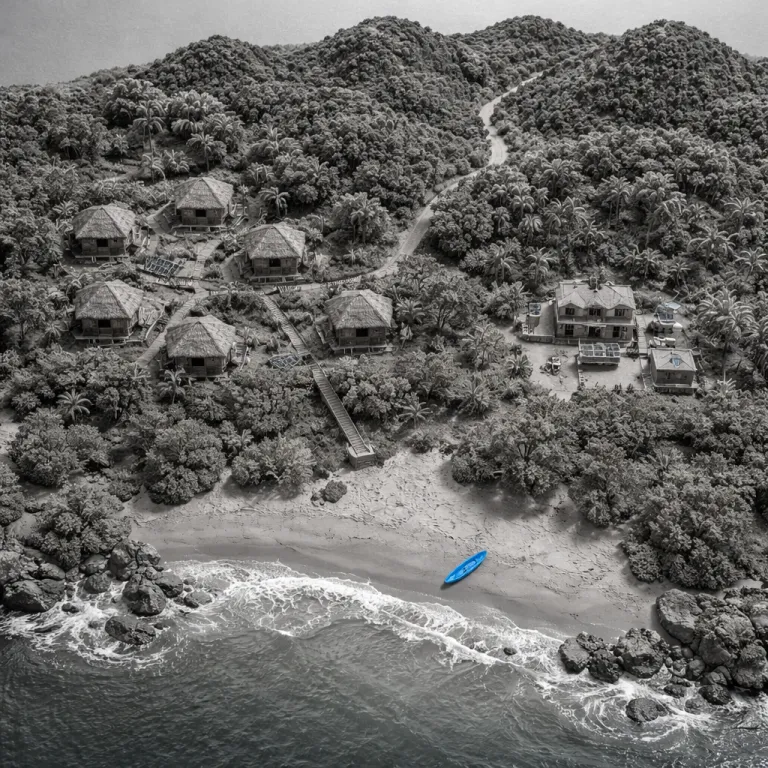
The Pacific coast of El Salvador is where sustainability claims meet the hardest infrastructure limits. From El Zonte to the coves west of San Salvador, water and waste systems were never designed for the current wave of surf led travel and high end hotels. That makes it essential for guests to understand what is realistically possible for a sustainable hotel perched above a volcanic black sand beach.
Palo Verde Sustainable Hotel at Zonte Beach is a useful case study because it has built its identity around being both a design forward hotel and a verde sustainable operation. Here, rooms designed for surfers and digital nomads sit above a compact pool and a restaurant terrace that faces the break, yet the property also invests in water saving fixtures and careful wastewater management. When you book view rooms at Palo Verde, you are not just paying for the Pacific panorama but also for a system that tries to keep that ocean cleaner by reducing runoff and treating greywater before discharge.
Across the coast, the water question starts long before you turn on the shower in your room. Some hotels truck in water during the dry season, which raises both cost and environmental impact, while others rely on local wells that can stress the aquifer shared with the surrounding community. A genuinely sustainable hotel will be transparent about its source, its storage tanks and any filtration or reuse systems, especially when the property also maintains a large pool and extensive gardens that can consume thousands of litres per week.
Waste is even more complex, because municipal recycling and sewage treatment are patchy along the Salvadoran shoreline. When a coastal hotel claims to be zero waste, ask how it handles plastics from suppliers, glass from the bar and organic waste from the hotel restaurant kitchen. If staff can explain composting, partnerships with recyclers, approximate diversion rates and how they minimise landfill runs, you are likely looking at a more credible eco hotel operation rather than a purely marketing driven claim.
Energy use on the coast is easier to see yet still nuanced. Solar panels on a terrace hotel roof or above a garden view courtyard show intent, but the grid in El Salvador is still the main source of power for most hotels at night. The honest question is how much of the daytime load — from air conditioning in ocean facing rooms to pumps for the infinity pool — is carried by solar, and whether the property has a plan to increase that share over time. One guest at a popular surf hotel recently noted in an online review that “rooms ran on solar most of the afternoon, with the grid only kicking in after sunset,” a small but telling detail that gives a sense of actual kWh offset.
For solo travellers comparing sustainable hotels El Salvador wide, the coastal versus urban contrast matters. City properties like Árbol de Fuego in San Salvador can plug into more reliable infrastructure and focus on efficiency, while coastal hotels must often build their own systems from scratch. This is why some of the most advanced eco practices in the country still appear in urban pioneers, even as beach hotels refine their approach with each season and gradually publish more measurable performance data.
To go deeper into how these patterns shape the wider market, look at sustainable trends in luxury and premium hotel booking websites in El Salvador, where water, waste and energy data are slowly becoming part of the decision set for high end guests. When you read online reviews for different boutique hotels in El Salvador, pay attention to comments about water pressure, generator noise and visible recycling, because these small details often reveal the underlying systems. Over time, this kind of guest feedback pushes both coastal and city hotels toward more rigorous, verifiable sustainability practices.
From San Salvador to Suchitoto: where eco luxury feels grounded
Urban El Salvador is not the first place many travellers look for eco luxury, yet San Salvador quietly hosts some of the country’s most serious sustainable hotels. Árbol de Fuego Eco Hotel sits in a residential neighbourhood, a compact hotel surrounded by trees where the arbol and fuego in its name signal both shade and energy. Here, guests move through rooms designed with cross ventilation, natural light and fans that reduce dependence on air conditioning without sacrificing comfort.
Inside Árbol de Fuego, the verde sustainable ethos is visible in details that rarely make it into glossy marketing. Rainwater collection, solar power and a dense urban garden view create a microclimate that cools the property while supporting local biodiversity, and the hotel works closely with the surrounding local community on education and employment. In its public sustainability statements, the property reports that a small city hotel can run on a fully renewable electricity mix while eliminating thousands of plastic bottles each year, figures that could be strengthened further through third party verification.
Across town, Novo Hotel & Suite positions itself as another eco hotel in San Salvador, blending business travel practicality with greener operations. Guests who book a room here will find standard comforts like a pool, reliable Wi Fi and efficient air conditioning, yet behind the scenes the hotel invests in energy saving systems and waste reduction. For a solo traveller who needs to stay in the capital before heading to Zonte Beach or to the highlands, this kind of sustainable hotel offers a pragmatic balance between convenience and conscience.
The capital’s satellite city of Antiguo Cuscatlán adds another layer to the sustainable hotels El Salvador map. This area, close to embassies and corporate offices, hosts hotels that are starting to integrate eco practices into their design, from better insulation to more efficient water fixtures in rooms. When you search to find options here, look for hotel offers that mention partnerships with the local community, sourcing from nearby markets and training staff in environmental practices rather than just reusing towels.
Beyond the capital, Suchitoto has emerged as a refined counterpoint to the coast, a colonial town where lake views and cobblestone streets frame a slower kind of travel. Properties here may not always label themselves as a sustainable hotel, yet many quietly support the local community through employment, cultural programming and careful water use. For a curated overview of refined stays that lean into local culture and landscape, explore this guide to Suchitoto refined stays in a lakeside colonial town at myelsalvadorstay.com, which highlights how heritage architecture and eco minded operations can coexist.
Across these destinations, the most meaningful thread is how hotels integrate local culture into their sustainability work. A hotel restaurant that serves beans, seasonal vegetables and coffee sourced from within 30 km has a smaller environmental impact than one importing generic produce, and it keeps money circulating in the local community. When guests choose these menus and ask about origin, they reinforce a supply chain that supports farmers in the highlands as much as surfers on the coast.
For the solo explorer, this urban to lakeside circuit offers a way to test different models of sustainable hotels El Salvador wide. Stay at Árbol de Fuego or another arbol fuego inspired property in San Salvador, then move to a coastal eco hotel like Palo Verde and finally to a heritage stay near the lake, comparing how each handles water, waste, energy and culture. By the end of the trip, you will have a personal benchmark for what genuine sustainability feels like in rooms, gardens and public spaces, grounded in specific practices rather than slogans.
A solo traveller’s heuristic for choosing truly sustainable stays
Eco luxury in El Salvador rewards curiosity, and solo travellers are perfectly placed to ask the right questions. The aim is not to interrogate staff but to understand how each hotel, from a cliffside eco hotel at Zonte Beach to a city hideaway in San Salvador, translates its sustainable narrative into daily operations. A simple three question heuristic at check in can reveal more than any marketing brochure or star rating.
Start with water, because it underpins every comfort in your room and in shared spaces like the pool and garden view areas. Ask where the property’s water comes from, how greywater is treated and whether any of it is reused for irrigation, especially if you see lush lawns in a dry landscape. A sustainable hotel that has invested in biofilters, low flow fixtures and rainwater capture will usually be proud to explain the system, while a vague answer suggests the environmental impact has not been fully considered.
Move next to energy, focusing on how the hotel balances comfort with consumption. Ask what percentage of power comes from solar or other renewables, whether rooms designed for cross ventilation can be comfortable without constant air conditioning and how the property manages peak demand at night. In a place like Palo Verde or another coastal eco retreat on the Pacific, this might mean learning that daytime operations lean heavily on solar while evenings still rely on the grid, a realistic yet still meaningful step toward lower emissions.
The third question should centre on the local community and supply chain. Ask how the hotel works with nearby producers, whether the hotel restaurant sources coffee, fruit and seafood from within a short radius and how staff are hired and trained from the surrounding area. When hotels in El Salvador can explain how they support local culture through employment, fair purchasing and community projects, their sustainability claims gain real depth and become easier to compare across properties.
Online research still matters, but it needs a more critical eye. When you read reviews for sustainable hotels El Salvador wide, look beyond generic praise about being eco friendly and search for specific mentions of water systems, recycling, solar panels and community engagement. Guests who notice these details help future travellers find properties where verde sustainable practices shape everything from view rooms to back of house operations.
Price is not a reliable proxy for sustainability, despite what glossy marketing might suggest. Some of the most committed eco hotels in San Salvador and Antiguo Cuscatlán operate at mid range rates, while certain high end coastal hotels invest more in aesthetics than in infrastructure. Remember the expert guidance that “What makes a hotel sustainable? Use of renewable resources, waste reduction, and community engagement.” and balance that with the reassurance that “Are sustainable hotels more expensive? Not necessarily; many offer competitive rates.” and the reminder that “How can guests contribute to hotel sustainability? Participate in eco-programs and follow conservation guidelines.”
As you move through El Salvador, from an arbol fuego shaded courtyard in the capital to a palo verde framed terrace above the Pacific, your choices send signals. Choosing hotels that publish data, explain their systems and respect the local community nudges the market toward more rigorous standards, while asking informed questions keeps everyone honest. In a compact country where travel distances are short and experiences are intense, this kind of attention turns a simple room booking into a quiet act of stewardship and a way to support measurable environmental progress.
Key figures shaping sustainable hotels in El Salvador
- Árbol de Fuego in San Salvador reports in its own materials that close to 100 % of its electricity comes from renewable sources, making it a benchmark for urban eco hotels in Central America according to its published sustainability data rather than independent certification.
- The same property estimates that it eliminates around 5000 plastic bottles per year by using filtered water systems and refillable containers, a significant reduction in waste for a relatively small city hotel and a figure that illustrates the impact of switching to refill stations.
- Across El Salvador, leading sustainable hotels typically aim to source a majority of their fresh produce from within roughly 30 km, which reduces transport emissions and strengthens local community supply chains while giving guests a clearer sense of origin.
- Water stress on the Salvadoran Pacific coast is highest during the dry season, which makes investments in rainwater capture and efficient fixtures particularly impactful for hotels operating pools and extensive gardens that would otherwise draw heavily on local aquifers.
- Guest participation in conservation measures, such as reusing towels and limiting air conditioning use, can reduce a hotel’s energy and water consumption by an estimated 10–20 %, based on industry studies of eco certified properties in similar tropical climates that track per guest resource use.