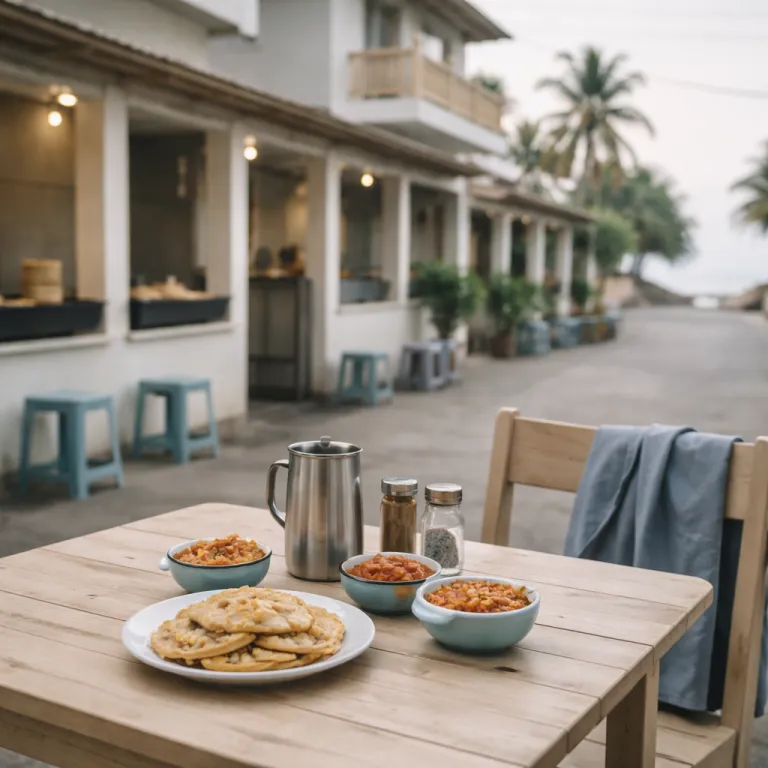
Why pupusas in La Libertad, El Salvador belong in every luxury surf itinerary
Families booking premium stays along La Libertad’s surf coast quickly realise that pupusas in La Libertad, El Salvador are not a side note but the quiet centre of local life. In a country where high end hotels now line the Pacific, the most memorable meals still come from a griddle a few metres from the sand, where Salvadoran women press masa dough by hand and shape it around beans cheese or chicken cheese fillings. When you plan where to sleep in El Tunco or El Zonte, you should plan where you will eat pupusas with the same care, because the right pupusería can turn a simple breakfast or late night snack into a cultural anchor for the whole trip.
Understanding pupusas matters if you want to find best value and authenticity without sacrificing comfort or hygiene for your children. A pupusa is a thick corn tortilla made from fresh masa dough, filled with combinations such as beans cheese, pork, loroco flower or chicken cheese, then cooked on a hot comal until the edges crisp and the centre turns molten. They are always served with curtido, the tangy fermented cabbage slaw, and a mild tomato sauce, and this pairing is the backbone of Salvadoran cuisine from La Libertad to the highlands around Juayúa and Santa Ana.
For luxury travellers visiting country with limited time, pupusas offer a quick cheap way to connect with the local culture while keeping budgets sane after a week of surf lessons and spa treatments. Around La Libertad you will find pupusería density unmatched elsewhere in Central America, and recent menus show prices usually anchored between 1.00 and 1.50 USD per piece, which means a family of four can eat well for less than a single cocktail at many coastal restaurants. That price stability, even as El Salvador positions itself more assertively within Latin America’s tourism map, is one reason UNESCO recognition of Salvadoran pupusas as part of the country’s intangible cultural heritage is widely discussed locally even though formal listing is still in process, and why the dish has not been commercialised the way heritage foods have been packaged in parts of Mexico.

El Tunco and El Zonte: three walkable pupuserías from the surf hotels
Staying in El Tunco or El Zonte, you can walk from most premium hotels to at least three reliable pupuserías without crossing the main highway. Around La Libertad, the distinction between a pupusería and a larger pupusódromo matters, because the former are usually family kitchens with ten tables while the latter feel more like food festival markets with dozens of stands. For families, the smaller restaurants often work better, since you can keep a clear view of the griddle, the sea and your children while staff bring plates of pupusas la Libertad El Salvador style straight to your table.
Near the La Libertad pier, Pupusería León on Avenida Sur (about a five minute flat walk from several pier-front boutique hotels) is a reference point that many hotel concierges quietly recommend when guests ask where they can find pupusería options that feel genuinely local. It serves traditional pupusas all day, and you will see Salvadoran families sharing plates of revueltas and ayote while surfers in from San Salvador refuel between sessions. A short walk away, Pupusería Bendición de Dios and Pupusería Rosales anchor a small cluster of restaurants where curtido is refreshed constantly, sauce is kept covered between orders and the masa dough is pressed to order, which are all reassuring signs when you are travelling with children.
Further along the coast road, Pupusería Anita in Barrio San José sits close enough to several upscale surf lodges that you can stroll there at sunset, order a round of beans cheese and chicken cheese pupusas, then be back at the pool before bedtime. During school holidays, arrive before 19.00 if you want shaded outdoor seating, because local families visiting country from San Salvador fill the tables quickly. For a sense of how peak travel periods affect availability at both hotels and pupuserías, read this analysis of how Holy Week visitor numbers stress tested the surf coast’s luxury operators at surf coast high season pressure on luxury stays.
Where hotel staff really eat: off duty pupusas near La Libertad
If you want to find best pupusas, ask where the hotel team eats on its day off, not which place appears first on Google Maps. Around La Libertad, staff from several well known luxury properties mention Pupusería León and Pupusería Rosales as their regular spots, precisely because these restaurants balance flavour, hygiene and price without chasing social media trends. As one concierge at a pier-front boutique hotel explained in a 2025 interview, “When we finish a late shift, we walk five minutes to León because we know the masa is fresh and they treat our families the same way we treat our guests.” When the people who plate your tasting menu on Saturday choose a simple plate of revueltas and a coffee at these places on Sunday, that is a strong signal for any visiting family.
Hotel drivers often steer guests away from the busiest pupusódromos and toward smaller venues where the masa dough is mixed in smaller batches and the curtido is chopped throughout the day. In these kitchens, fillings like beans cheese, loroco and ayote are treated with the same respect that high end chefs give to imported seeds perfect for pastry or rare single origin coffee. You will notice that the best Salvadoran cooks rarely drown their pupusas in sauce, preferring to let the charred corn and fermented cabbage carry the flavour, which is a useful benchmark when you are trying to evaluate a new place quickly.
Families basing themselves for a week on the surf coast can use a simple strategy to find reliable options beyond the hotel restaurant. Start with one staff favourite in La Libertad, then ask the same question again when you move inland toward Juayúa or Santa Ana, where the Juayúa ruta of weekend food stalls and the Festival Juayúa events showcase regional Salvadoran cuisine. For a broader sense of which regions pair best with a coastal stay, consult this orientation on where to base yourself in El Salvador as a discerning traveller, then map your pupusa stops accordingly.
Family logistics: shade, seating and timing your pupusa stops
Travelling with children along the surf coast means thinking about shade and seating before you think about sauce or fillings. Many pupuserías in La Libertad and the nearby beaches operate as semi open air spaces, with plastic tables under tin roofs or canvas awnings that keep the midday sun off your family while you eat. When you arrive, check that your table has a clear view of both the griddle and the street, so you can watch the food being prepared while keeping an eye on kids who might wander toward the curb.
Breakfast service is increasingly common, especially in places that cater to surfers heading out at first light, and a plate of cheese pupusas with strong local coffee makes a satisfying start to the day. Around La Libertad, many stands open from early morning through late night, but during school holidays some close mid afternoon to prep for the evening rush, which can surprise visitors used to all day service in larger Central America resorts. A quick look at Google Maps reviews can help you confirm current hours, yet you should always trust the handwritten sign on the door over any digital listing when travelling in this country.
For families planning day trips from San Salvador or Santa Ana to the coast, it helps to think of pupusas as flexible anchors in your schedule rather than fixed reservations. You might stop at a roadside stand on the way to Las Flores or another beach on the Ruta Las Flores corridor, then plan a sit down meal at a La Libertad pupusería on the return. This rhythm keeps energy levels stable for children, and it also lets you sample both quick cheap snacks and more considered plates of Salvadoran cuisine without overloading any single meal.
Reading the griddle: hygiene, crowds and what to order beyond queso
Parents often worry about hygiene when they first approach a street side griddle, but a few simple cues will help you find pupusería options that feel safe. Look for a steady flow of local customers rather than a chaotic crush, because a line that moves consistently suggests the masa dough is cooking at the right pace and the fillings are replenished without sitting too long. You want busy, not frantic, and you want to see curtido and sauce stored in covered containers between servings, which reduces the risk of dust and insects landing on the food.
Once you are seated, start with a mix of classics and regional specialties, because pupusas la Libertad El Salvador style go far beyond plain cheese. Revueltas, which combine pork, beans and cheese, offer a rich introduction to Salvadoran cuisine, while loroco brings a floral note that pairs beautifully with a cold coffee or a local fruit drink. For children, beans cheese or chicken cheese fillings tend to be the most approachable, and you can always add a little curtido gradually to help them adjust to the acidity.
Do not overlook vegetable based options such as ayote, which showcase how Salvadoran cooks use local seeds perfect for texture and flavour without relying on heavy meat. In coastal towns that feed both surfers and families, you will sometimes see fusion fillings that nod to wider Latin America influences, yet the best places keep their masa dough traditional and let the fillings carry the innovation. Remember that pupusas are usually served piping hot, so let them rest for a minute before handing plates to younger children, even if the smell makes everyone impatient.
From La Libertad to Juayúa: extending your pupusa trail across El Salvador
Once you have your La Libertad favourites locked in, it is worth extending your pupusa trail inland to understand how this food connects the whole country. The Ruta Las Flores corridor, which runs through towns like Juayúa and the beach of Las Flores further along the coast, offers a different rhythm from the surf breaks, with cooler air and weekend markets that feel like a permanent food festival. Here, the Juayúa ruta of stalls and the Festival Juayúa events showcase not only grilled meats and coffee but also regional takes on pupusas that reflect the agricultural richness of western El Salvador.
In Juayúa, you will find pupusas served alongside specialty coffee from nearby fincas, which makes for a leisurely breakfast before waterfall hikes or town walks. Families can sit under trees in central plazas, children sharing beans cheese pupusas while parents sample versions filled with local herbs or seeds perfect for toasting. This is where you feel most clearly how a simple plate connects San Salvador, Santa Ana, La Libertad and the smaller towns into a single Salvadoran cuisine narrative within Latin America.
As you plan, remember that El Salvador is one of Central America’s most compact destinations, which means you can base yourself on the coast and still reach inland food hubs in a single day. Use reliable mapping tools to find driving times, then layer in advice from hotel concierges who know which weekends bring the liveliest food festival atmosphere and which days are quieter. For a broader view of how rising visitor numbers affect both hotel availability and access to local restaurants, this report on record arrivals reshaping stays at the country’s best hotels is essential reading before you lock in dates.
Key figures and practical statistics for pupusas in La Libertad
- Local tourism data and 2025 municipal business listings indicate around a dozen established pupuserías operate in La Libertad, which means families staying in the main hotel zones can reach several options on foot without relying on taxis or rental cars.
- The average price per pupusa in La Libertad sits near 1.50 USD according to recent menu surveys, yet many stands still charge closer to 1.00 USD, keeping this meal one of the most accessible foods in the country for both locals and visitors.
- Pupuserías in La Libertad typically serve breakfast, lunch and dinner year round, so you can plan early starts before surf lessons or late night snacks after sunset sessions without worrying about seasonal closures.
- Many coastal pupuserías source corn, vegetables and cheese from nearby farmers and artisan producers, which supports the local economy while giving travellers a direct link to regional agriculture in El Salvador.
- Tourism authorities estimate that traditional foods like pupusas contribute significantly to visitor satisfaction scores, reinforcing the idea that access to authentic Salvadoran cuisine is as important as hotel quality for families choosing where to stay.
FAQ: pupusas, La Libertad and family friendly dining
What is a pupusa and why is it important in El Salvador ?
What is a pupusa? A traditional Salvadoran dish made of thick corn tortillas filled with various ingredients. Pupusas sit at the heart of Salvadoran cuisine, and eating them in La Libertad connects travellers directly to everyday life in this coastal region. For families staying in luxury hotels, they offer an authentic, affordable counterpoint to more formal restaurant meals.
Where can I find the best pupusas in La Libertad near the surf hotels ?
Where can I find the best pupusas in La Libertad? Popular spots include Pupuseria León, Pupuseria Bendición De Dios, and Pupuseria Rosales. These restaurants are close to many premium properties around the pier and surf beaches, which makes them easy to reach on foot with children. Ask your hotel concierge which of these they personally prefer, then start there and branch out.
Are there vegetarian or kid friendly pupusa options on the coast ?
Are there vegetarian pupusa options? Yes, many pupuserias offer fillings like beans, cheese, and vegetables. Along the La Libertad coast, you will also see loroco, ayote and plain cheese versions that work well for younger children or travellers who prefer lighter food. Most places are happy to adjust spice levels and portion sizes if you ask politely.
How do I judge hygiene and safety at a pupusería with my family ?
Look for a steady flow of local customers, a clean griddle and staff who handle money and food with some separation, such as one person taking payment while another cooks. Covered curtido and sauce containers, regularly wiped tables and fresh looking masa dough are all positive signs. If a place feels chaotic or the food looks like it has been sitting too long, simply move on to the next stand, because La Libertad has enough options that you never need to compromise.
Should I prioritise pupusas over hotel restaurants during my stay ?
Hotel restaurants along the surf coast can be excellent, especially for seafood and international dishes, but pupusas offer a different kind of value. They give you direct contact with local families, flexible meal times and prices that keep overall trip costs balanced even when you choose premium rooms. The most satisfying itineraries usually mix both, with hotel breakfasts or dinners on some days and pupusa outings woven around surf sessions and day trips.