How safe does El Salvador feel now for luxury travellers ?
Landing in El Salvador as a solo traveller today feels radically different from the stories many United States citizens still read online. The country has moved from a reputation that made some visitors reconsider travel to a moment where the official El Salvador travel advisory from the U.S. Department of State now sits at Level 1 (as of early 2026), the same security level as many classic Central America vacation spots.1 When you ask is El Salvador safe for tourists in 2026, you are really asking whether the state of exception policies that transformed the homicide rate into one of the lowest in the Western Hemisphere have also made the cultural hotspots and luxury hotels feel reliably calm day to day.
The short answer from the ground is yes, El Salvador feels safe for tourists in 2026, provided you use the same travel safety habits you would in any country you visit abroad. According to government figures cited by local media in late 2025, the homicide rate has dropped to around 1.9 per 100 000 inhabitants,2 and that shift is visible in the way local families stroll the waterfront in La Libertad at night, how guests linger over wine on rooftop terraces in San Salvador, and how high end properties now confidently market sunset yoga instead of airport transfers as their main security talking point. As one San Salvador hotel manager put it to us in November 2025, “Guests still ask about safety, but they relax quickly once they see how normal evenings feel here.” For luxury and premium travellers, the safety question has moved from fear of violent crime to practical details about which neighbourhoods to choose, how to handle transport at night, and what level of travel advice to follow when planning days between the capital and the coast.
Official voices now echo what many frequent visitors already felt on recent trips. The U.S. Department of State notes in its current travel advisory for El Salvador that the country is at Level 1, meaning travellers should exercise normal precautions, and it highlights a significant decrease in crime rates since 2022.1 These statements match what you see when you walk through San Salvador’s Zona Rosa at dinner time or check into a coastal resort where staff now talk more about surf conditions than about security concerns. Local tourism officials interviewed by the Ministerio de Turismo in 2025 describe the change in simple terms: “We now sell experiences first and security second, because visitors can feel the difference on the streets.”3
San Salvador’s luxury districts and cultural hotspots
San Salvador is where the El Salvador travel story feels most transformed, especially for guests booking premium hotels around Escalón, Zona Rosa and Santa Elena. These neighbourhoods concentrate the city’s best five star properties, embassy compounds, and high end restaurants, and they benefit from the same enhanced law enforcement and surveillance systems that helped push the advisory rating down to Level 1. When you weigh safety in El Salvador in 2026 against your appetite for urban culture, these districts offer a reassuring mix of visible security, polished service and easy access to galleries, theatres and the city’s best coffee bars.
Walking between your hotel and dinner in these parts of San Salvador now feels comparable to an upscale district in another Central America capital, though you still avoid flashing valuables and use registered taxis or app based cars at night. The embassy San Salvador area, where the U.S. Embassy and other missions sit behind serious gates, anchors a corridor of malls, rooftop lounges and business hotels that attract both local citizens and travellers who want a controlled environment after days exploring more rugged parts of the country. If you are planning a three generation trip or meeting friends from Costa Rica or elsewhere abroad, this is the zone where multi room suites, interconnecting rooms and club level lounges make logistics easy ; it is also where you will find properties we feature in our guide to hotels where grandparents, parents and kids all find their pace. Travellers are generally advised to avoid venturing alone into the more remote hillsides above Escalón or into densely built barrios on the city’s eastern fringe after dark, where lighting and police presence can be thinner.
Beyond the hotel lobbies, San Salvador’s cultural hotspots reward those who carve out time between volcano hikes and surf sessions. The Museo de Arte de El Salvador, the National Palace and the revitalised historic centre now draw both local families and visitors, and they are patrolled enough that daytime visits feel relaxed, though you still keep an eye on your bag in crowded plazas. For solo travellers asking whether on the ground realities match the marketing, the answer in these zones is that the security level feels aligned with the official travel advice ; you exercise normal precautions, avoid unlicensed taxis, and let your hotel concierge coordinate trusted drivers for late night returns.
Coastal corridors, surf luxury and after dark realities
The La Libertad coast is where many travellers first test whether El Salvador’s safer reputation holds up once you leave the capital’s embassy district. From El Tunco’s surf hostels to the polished infinity pools of El Zonte and Playa Sunzal, this corridor has become the country’s most visible tourism showcase, with a constant flow of local visitors, international guests and weekenders from San Salvador. Security along this stretch is highly visible, with police patrols, private guards at major properties and a steady stream of cars that makes the road feel active even late at night.
For luxury travellers, the question is less about whether to reconsider travel to the coast and more about how to choose the right property and plan evenings. High end hotels here operate like self contained sanctuaries, with on site restaurants, curated excursions and vetted drivers who handle airport transfers and late night returns from nearby bars, which is the safest option once the sun goes down. If you are a solo explorer wondering how safe it feels to walk back along the beach after dinner, the honest answer is that you should treat the coastline like any other country’s nightlife strip ; stay on lit paths, move with other guests when possible, and let staff call a trusted car rather than accepting offers from local drivers you have not met through the hotel. Local residents also suggest avoiding isolated stretches of the coastal highway on foot after dark, especially between smaller beach communities where traffic thins out.
Food is a major part of the coastal draw, and it is here that the El Salvador travel narrative shifts from security to flavour. Many travellers now build itineraries around a weekend food crawl from San Salvador to La Libertad, using our detailed route in the restaurants earning repeat visits as a template for their own days. Along the way, you experience how local citizens reclaim the seafront at sunset, how the weather cools just enough for long walks on the malecón, and how the security level feels quietly managed rather than oppressive, with most visitors more focused on ceviche and craft beer than on the presence of police.
Ruta de las Flores, Santa Ana and quieter cultural towns
Move inland and the safety question takes on a different texture, one shaped by coffee fincas, colonial plazas and cool mountain air rather than by embassy compounds. The Ruta de las Flores, a string of small towns like Juayúa, Ataco and Apaneca, has long been a favourite weekend escape for San Salvador residents, and the current security level makes it feel even more accessible for international visitors. Here, luxury is less about marble lobbies and more about firelit courtyards, farm to table tasting menus and private guides who walk you through murals and markets at a pace that suits solo travellers.
Santa Ana, the country’s second city, offers a different kind of cultural hotspot, anchored by its neo Gothic cathedral, restored theatre and easy access to the Santa Ana volcano hike. The city centre sees a steady flow of local citizens during the day, and with the improved advisory status, more travellers now feel comfortable staying in restored mansions rather than rushing back to San Salvador each night. You still follow standard travel advice — avoid walking alone far from the main square after dark, use registered taxis, and let your hotel arrange early morning departures for the volcano trail — but the overall feeling is of a country that has shifted from high risk to normal caution. Locals often recommend avoiding the bus terminal area late at night, when crowds thin and opportunistic petty crime is more likely.
Suchitoto, often paired with Santa Ana in cultural itineraries, might be the clearest answer to whether El Salvador feels safe for those who value quiet over nightlife. Cobbled streets, lake views and a small but serious arts scene make it ideal for a few days of slow travel, and the presence of both local weekenders and international guests adds to the sense of shared safety. In these towns, the travel experience is shaped less by the state of exception headlines and more by the rhythm of markets, church bells and evening walks, with the main security advice being to respect local norms, keep valuables discreet and lean on your hotel’s knowledge of which streets feel best at different times of day.
Health, weather and practical safety for solo travellers
Beyond crime statistics, solo travellers weighing whether El Salvador’s safety claims match reality need to think about health, weather and logistics. The country’s climate is tropical, with a pronounced rainy season roughly from May to October, when afternoon downpours can turn cobbled streets slick and rural roads muddy, so planning your days around the weather forecast becomes a basic safety habit. Luxury hotels are used to this rhythm and will often suggest early morning excursions, long lunches under cover during peak rain, and evening activities once the skies clear, which keeps both comfort and security in balance.
On the health front, there is no yellow fever risk in El Salvador itself, but some travellers arriving from countries where yellow fever is present may face entry requirements that include proof of vaccination, so you should read the latest travel advice before you fly. High end properties in San Salvador, Santa Ana and the main coastal areas maintain relationships with private clinics and hospitals, which means that if you have a health issue during your visit, staff can coordinate English speaking doctors and secure transport quickly. Travel insurance that covers medical evacuation remains a smart choice for any country in Central America, and it is part of a broader El Salvador travel strategy that treats health as a core pillar of safety rather than an afterthought.
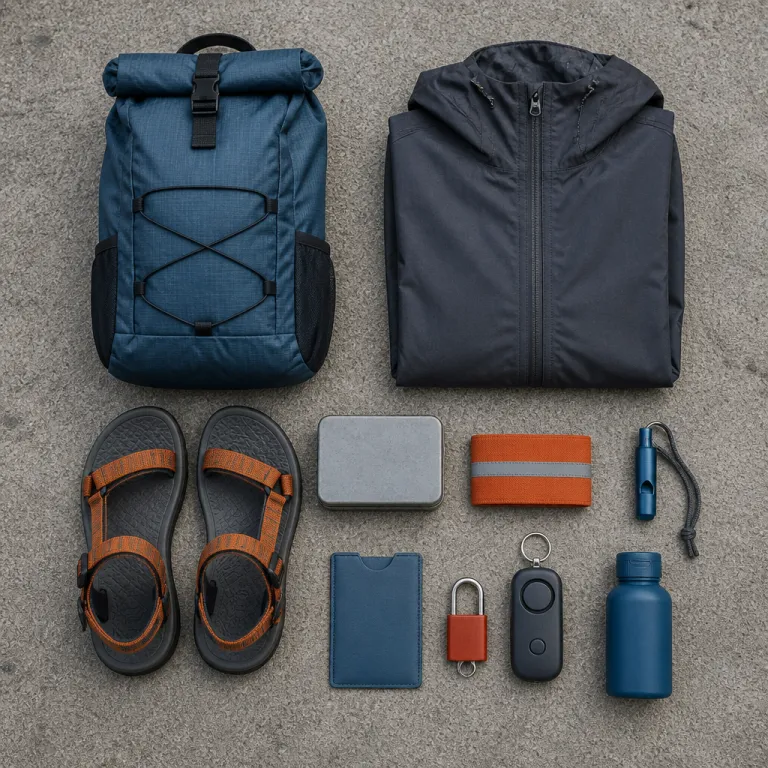
Practical details matter too, especially for solo guests. Use hotel recommended drivers instead of hailing cars on the street, particularly at night or when carrying luggage, and let reception know when you expect to return from day trips so someone is aware of your movements. When you ask how safe El Salvador feels from a logistics angle, the answer is that the infrastructure now supports comfortable, secure movement between major cultural hotspots, but your own habits — from how you manage cash and cards to how you navigate unfamiliar neighbourhoods after dark — still shape your personal security level.
Visas, embassies and reading the fine print of safety
For United States citizens and many other nationalities, entry requirements for El Salvador remain straightforward, with visa free stays for tourism typically granted on arrival for up to ninety days under the regional CA-4 agreement. You should always read the latest guidance from the U.S. Department of State and your own embassy before you travel abroad, because rules can shift and some travellers with dual nationality or previous overstays may face different conditions. Luxury hotels in San Salvador and along the coast are used to handling guests who combine El Salvador with Costa Rica or other Central America countries in one trip, and their concierges can often clarify how many days you have left on your entry stamp or when you need to exit the country.
The U.S. Embassy in San Salvador sits in the leafy Santa Elena district, a short drive from many of the capital’s premium hotels, and it serves as a key point of contact if you lose a passport or need emergency assistance. While the current El Salvador travel advisory is at Level 1, meaning you exercise normal precautions, the embassy still encourages travellers to enrol in the Smart Traveler Enrollment Program so they can receive any updated travel advisory alerts directly.1 For other nationalities, checking your own embassy’s website and noting the location of its office or honorary consulate in the country is part of a sensible El Salvador travel checklist, especially if you plan to rent a car or spend time in more remote areas.
One question many readers ask is whether the state of exception that helped drive down crime should make them reconsider travel on principle. That is a personal decision, but from a practical safety standpoint, the current level of security has made daily life for visitors feel calmer, with tourism numbers rising and new luxury properties opening in both San Salvador and coastal zones.3 When you balance your own values, the official Department of State guidance and the on the ground reality described here, you can decide whether El Salvador feels safe in a way that aligns with both your ethics and your appetite for this compact, complex country.
Choosing the right luxury base for cultural immersion
Once you are comfortable with the security picture, the next step is choosing where to stay so that safety, style and cultural access line up. In San Salvador, that often means a high floor room in a polished tower in Escalón or Santa Elena, where you can move between meetings, galleries and restaurants with minimal friction and let the hotel’s security and transport systems quietly handle the background risk. Along the La Libertad coast, it might mean a clifftop suite where you can watch the weather roll in over the Pacific, then descend to a guarded beach club for sunset cocktails, knowing that staff will walk you back to your room if the path feels too dark.
For travellers focused on surf and wellness, our guide to luxury surf camps that go beyond a board and a bunk highlights properties that combine strong safety protocols with serious coaching and spa level recovery. In the highlands around the Ruta de las Flores and Santa Ana, the best stays are often restored haciendas or design forward lodges that arrange private drivers for every excursion, from coffee farm tours to volcano hikes, so you never have to negotiate transport on the street. In all these places, the safety equation is less about fences and more about thoughtful service design, where staff anticipate when a solo traveller might feel vulnerable and quietly step in with options.
Ultimately, the question of whether El Salvador is safe for tourists in 2026 becomes more nuanced once you see how different regions, properties and travel styles intersect. A solo guest who spends most days in San Salvador’s museums and nights in rooftop bars will experience the country differently from someone who chases empty point breaks at dawn or wanders small town markets alone. The common thread is that with the current El Salvador travel advisory at Level 1, a clear understanding of local norms, and a willingness to follow grounded travel advice, you can build an itinerary that feels both richly immersive and appropriately secure.
Key safety and travel statistics for El Salvador
- El Salvador’s homicide rate has fallen to around 1.9 per 100 000 inhabitants, according to national security data reported in late 2025, placing the country among the safer nations in the Western Hemisphere by this metric and directly influencing the improved El Salvador travel advisory status.2
- The U.S. Department of State now assigns El Salvador a Level 1 advisory — exercise normal precautions — which is the lowest security level and a significant shift from previous years when many travellers chose to reconsider travel.1
- Tourism has surged to approximately 4.1 million visitors in the most recent full year reported by the Ministry of Tourism, an increase of about 141 percent compared with pre pandemic figures, showing that travel confidence has returned strongly.3
- Between January and April of the latest reported year, El Salvador welcomed around 1.7 million visitors, a year on year increase of roughly 35 percent, which aligns with rising luxury hotel investment in San Salvador, La Libertad and Santa Ana.3
- El Salvador’s economy grew by about 4.8 percent in the first quarter of the current year, according to the Banco Central de Reserva, with tourism and hospitality playing a visible role in that expansion.4
FAQ – safety and luxury travel in El Salvador
Is El Salvador safe for solo travellers staying in luxury hotels ?
For solo guests who choose well located luxury or premium hotels in areas like Escalón, Zona Rosa, Santa Elena or the main La Libertad beaches, El Salvador now feels broadly safe, provided you follow normal precautions such as using hotel recommended transport and avoiding isolated streets at night. The current Level 1 El Salvador travel advisory from the U.S. Department of State reflects this improved security level.1 Your own habits — from how you carry valuables to how you plan late night movements — remain a crucial part of staying safe.
What is the current U.S. travel advisory for El Salvador ?
The U.S. Department of State currently lists El Salvador at Level 1, which means travellers are advised to exercise normal precautions, similar to many other popular destinations in Central America.1 This marks a major improvement from previous years, when higher advisory levels led some visitors to reconsider travel. You should still read the latest travel advice before your trip, as advisories can change if specific incidents or regional issues arise.
Are there areas tourists should avoid in San Salvador and beyond ?
Most visitors stick to well patrolled districts such as Escalón, Zona Rosa, Santa Elena and the embassy San Salvador area, where luxury hotels and restaurants cluster. Travellers are generally advised to avoid wandering into unfamiliar residential neighbourhoods on the city’s outskirts, especially after dark, and to be cautious in crowded markets where petty theft can occur. Outside the capital, staying near main squares in towns like Santa Ana or Suchitoto and using trusted drivers for rural roads at night keeps your personal security level high.
Do I need any special vaccines or health precautions for El Salvador ?
There is no yellow fever risk in El Salvador itself, but if you are arriving from a country where yellow fever is present, you may need to show proof of vaccination to meet entry requirements. Standard travel health advice includes being up to date on routine vaccines, using mosquito protection in lowland areas and staying hydrated in hot weather, especially outside the rainy season when temperatures can feel intense. High end hotels can usually connect you with reputable clinics or doctors if you need medical care during your stay.
How does the rainy season affect safety and travel plans ?
The rainy season typically brings heavy afternoon showers that can cause slick streets, minor flooding and occasional landslides on rural roads, which may affect driving safety and the timing of excursions. Many luxury properties adjust schedules by recommending early morning activities and indoor cultural experiences during peak rain hours, then resuming outdoor plans once conditions improve. Checking daily weather forecasts and allowing extra time for transfers during this period helps keep your El Salvador travel experience smooth and secure.
References
- U.S. Department of State – El Salvador Travel Advisory (Level 1: Exercise Normal Precautions).
- National security and homicide statistics reported by Salvadoran authorities and summarised in local media, late 2025.
- Ministerio de Turismo de El Salvador – recent tourism arrival data and sector commentary.
- Banco Central de Reserva de El Salvador – quarterly economic growth reports highlighting tourism and services.