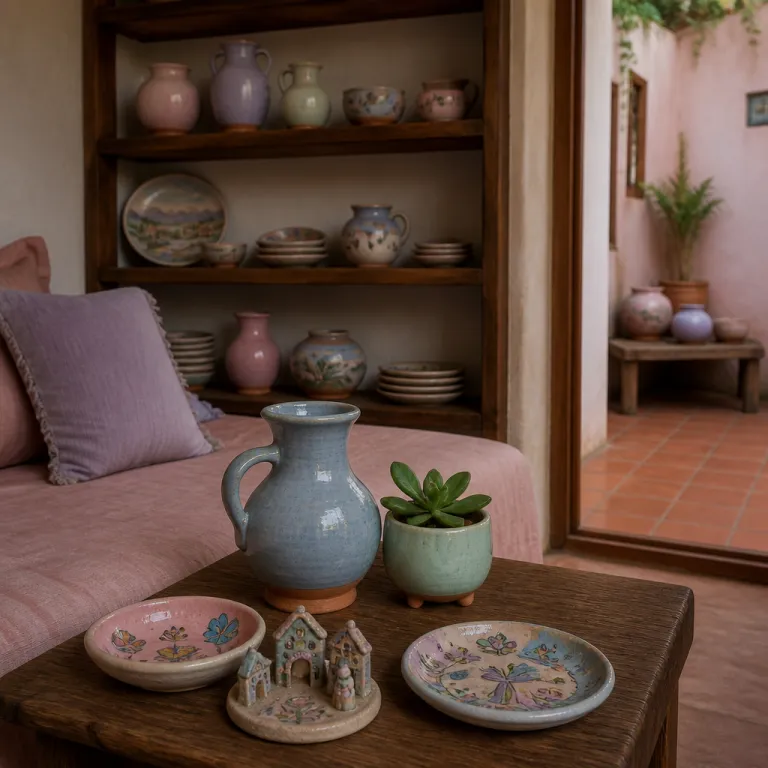
Ilobasco pottery El Salvador: a clay capital beyond the capital
Ilobasco sits quietly in the Cabañas Department, yet its reputation in El Salvador is anything but modest. This compact town has shaped the story of ilobasco pottery El Salvador through generations of artisans who turned volcanic clay into a language of form, color, and narrative. For a solo traveler planning to visit El Salvador for more than beaches and nightlife, this is where the country’s artisan tradition becomes tangible in your hands.
The town of Ilobasco lies about 60 kilometres northeast of San Salvador, and the drive typically takes between one hour and one hour and thirty minutes through rolling hills and small agricultural communities, depending on traffic leaving the capital. That proximity to the capital city makes visiting Ilobasco an easy cultural detour, whether you are based in a luxury hotel in San Salvador or staying in a coastal resort and willing to trade roughly two and a half hours of road time for a day of deep craft immersion. Many travelers pair the town with Suchitoto or San Miguel, creating a loop that connects colonial architecture, contemporary art, and some of the most emblematic clay crafts in Central America.
Ilobasco’s history is written in clay, from pre-Columbian shards to the refined miniatures that now appear in high-end hotel gift shops across El Salvador. Local artisans work with fine-grained clay sourced from nearby deposits, shaping it into both functional pottery and intricate artesanías that depict everyday scenes of Salvadoran life. When you walk the streets of the town, you see workshops where young people sit beside elders, proof that the tradition travelers come to admire is still a living, evolving craft rather than a museum piece.
From volcanic clay to miniature worlds: how Ilobasco artisans work
The creative process behind Ilobasco ceramics begins long before a piece reaches a hotel shelf or a curated gallery in San Salvador. Clay is dug from the surrounding hills of the Cabañas Department, cleaned, and kneaded until it reaches a silky, workable texture that responds to the slightest pressure of the artisan’s fingers. In many family workshops, you will see several crafts in progress at once, from robust cooking pots to delicate figurines that capture daily life in the town with almost cinematic precision.
Ilobasco artisans are best known for their miniature “sorpresas”, tiny clay sculptures hidden inside hollow shells that open to reveal nativity scenes, love stories, or playful everyday scenes from Salvadoran life. These pieces, which sit at the intersection of art and toy, are a hallmark of artisan tradition in Latin America and a compelling reason many travelers plan on visiting Ilobasco as a dedicated day trip. The same hands that model these surprises also create more traditional pottery forms, including cups, vases, and nativity sets that end up in refined properties along the Ruta de las Flores and in design-forward hotels featured in guides to three days on the Ruta de las Flores.
Workshops in Ilobasco often welcome visitors for guided tours and hands-on sessions, where you can shape clay under the patient guidance of local masters. One potter from a long-established family studio explained, “Cada pieza cuenta una historia; cuando alguien la lleva a casa, se lleva un pedacito de Ilobasco también.” That simple idea comes alive when you sit at a basic wheel or table and attempt to recreate the fluid gestures that artisans have refined over time, while Spanish chatter, radio music, and the rhythm of daily life in the town swirl around you.
Scenes of daily life in clay: nativity sets, festivals, and narrative crafts
What sets Ilobasco pottery from El Salvador apart is not only technique, but the way it captures life in three dimensions. Many pieces portray everyday scenes from Salvadoran towns, from market vendors and bus stops to schoolchildren and street food stalls, turning simple clay into a chronicle of daily life that you can hold in your palm. For a solo explorer, these tiny tableaus become a visual guide to the country’s rhythms, complementing what you see on the streets of San Salvador or in smaller places like Juayúa.
Nativity scenes are a particular specialty, and you will find both classic and playful interpretations in workshops across Ilobasco. Some nativity sets follow strict traditional iconography, while others weave in local references from the Cabañas countryside or coastal towns near San Miguel, blending sacred narrative with regional identity. During the main patron-saint festival in late July and other religious celebrations, the town’s crafts spill into the streets, and you can sense how deeply this work is woven into the spiritual and social fabric of the region.
Beyond religious themes, artisans create a wide range of artesanías that speak to broader Latin American culture, from musicians and dancers to rural workers and urban characters. These works of art often end up decorating intimate guesthouses and refined small-town stays, such as the properties highlighted in our guide to refined stays in Juayúa, where clay figures from Ilobasco sit beside handwoven textiles from San Sebastián. For travelers who value context, each piece becomes more than a souvenir; it is a fragment of Ilobasco’s history and a reminder of the artisan tradition that underpins the country’s emerging luxury hospitality scene.
Where to stay: emerging premium stays around Ilobasco and Cabañas
For years, travelers who wanted to experience Ilobasco pottery in El Salvador faced a practical challenge. The town itself offered only basic lodging, which meant most visitors rushed in and out on a day trip from San Salvador without lingering to understand the rhythm of local life. That pattern is slowly changing as small, design-conscious guesthouses and premium rural lodgings begin to appear in and around the Cabañas Department.
Within Ilobasco town, a handful of intimate properties now cater to travelers who expect strong Wi-Fi, thoughtful interiors, and attentive service rather than generic rooms. These stays often collaborate directly with local artisans, commissioning custom pottery, nativity scenes, and other crafts for their rooms and common areas, so the line between accommodation and gallery becomes pleasantly blurred. You might find bedside lamps with clay bases thrown in a nearby workshop, or a breakfast table set with hand-painted cups that depict everyday scenes from the town and wider surroundings.
Outside the immediate urban area, rural lodges in the Cabañas countryside offer a different kind of luxury, with wide views, cooler temperatures, and easy access to both Ilobasco and Suchitoto. These properties are ideal if you want to combine visiting Ilobasco with birdwatching, hiking, or a detour to archaeological sites like El Tazumal, which we cover in depth in our guide to elevating a luxury stay around El Salvador’s most iconic Maya landmark. Wherever you base yourself, the key is to book in advance, especially during the main patron-saint festival and other regional events, when both local visitors and international guests converge on this corner of the country.
Planning your visit: routes, language, and bringing Ilobasco home
Reaching Ilobasco from San Salvador is straightforward, and private transfers arranged through your hotel remain the most comfortable option. The drive of roughly 60 kilometres usually takes around one hour and thirty minutes, while routes from Suchitoto are shorter and from the Pacific coast or San Miguel can stretch to about two hours and thirty minutes depending on traffic. Many luxury properties in the country now offer curated day trips focused on Ilobasco pottery, combining workshop visits with lunch stops and short walks through the historic centre of the town.
Once you arrive, take your time; the pace of life here is unhurried, and the best encounters with artisans happen when you are not watching the clock. Learning a few basic Spanish phrases goes a long way, especially when you want to ask about specific crafts, the meaning of certain nativity scenes, or the stories behind clay figures that depict local daily life. Some workshops have hosted the same families for generations, and you will often see young people working alongside elders, ensuring that the tradition visitors come to admire will continue into the future.
When choosing pieces to bring home, think about both aesthetics and practicality, especially if you are flying out of San Salvador or San Miguel with limited luggage space. Smaller artesanías, such as miniature everyday scenes or compact nativity sets, travel well and integrate easily into modern interiors, whether you live in Latin America or abroad. Are there boutique hotels in Ilobasco? Yes, several small-scale boutique-style stays have opened in and around the town, offering unique experiences. Many high-end hotels across El Salvador now source their room décor and gift shop inventory directly from Ilobasco artisans, so the clay craft you admire on your bedside table may well have begun its life in this modest but culturally rich town.
How Ilobasco’s craft shapes El Salvador’s luxury hotel scene
As El Salvador’s hospitality sector matures, Ilobasco pottery has become a quiet but powerful design signature in many premium properties. Rather than importing anonymous décor, hotel owners increasingly turn to workshops in Cabañas for custom pieces that reflect both local identity and contemporary aesthetics. This shift supports artisan tradition while giving travelers a more authentic sense of place, whether they are staying in the capital, on the coast, or in the highlands.
In San Salvador, you will notice Ilobasco clay in lobby installations, spa areas, and restaurant tableware, often paired with textiles from San Sebastián and coffee from nearby fincas. Coastal resorts near La Libertad and eastern retreats closer to San Miguel also integrate artesanías from the town, using nativity scenes during festive seasons and everyday scenes year round to soften sleek architecture with human warmth. For the solo explorer, these details matter; they signal that a property is engaged with the wider region rather than operating as an isolated enclave.
Some hotels go further, organizing private visits for guests who are interested in visiting Ilobasco and meeting the artisans behind the pieces they see on property. These curated experiences often include time in working studios, where you can watch clay being shaped, fired, and painted, and sometimes try your hand at simple crafts under expert guidance. As cultural tourism grows and more travelers seek meaningful connections in Latin America, Ilobasco’s role in shaping both the aesthetics and the ethics of Salvadoran luxury hospitality will only deepen, anchoring high-end stays in the real textures of local life.
FAQ
What is Ilobasco best known for among travelers?
Ilobasco is best known for its clay miniatures and narrative pottery that depict everyday scenes of Salvadoran life. The town’s artisans create both functional pieces and intricate artesanías, including nativity scenes and the famous “sorpresas” that hide tiny worlds inside hollow shells. For many visitors, experiencing Ilobasco pottery in El Salvador is a highlight of their cultural itinerary.
How many artisan families work in Ilobasco?
Local tourism offices and artisan associations report that several dozen artisan families are active in Ilobasco, a significant number for a town of its size. These families often run multi-generational workshops where young people learn directly from elders, ensuring continuity of the craft. When you buy directly from these studios, you support both household economies and the broader artisan tradition of the Cabañas Department.
Can I stay overnight in or near Ilobasco?
Yes, there are now small, design-focused guesthouses and premium rural lodgings in and around Ilobasco and the wider Cabañas region. Many travelers still base themselves in San Salvador or Suchitoto and visit Ilobasco as a day trip, but overnight stays allow more time for workshops and unhurried walks through town. Booking ahead is recommended, especially around major religious festivals and the main patron-saint celebration.
How do I get from San Salvador to Ilobasco?
The most comfortable option is a private transfer arranged through your hotel in San Salvador, which usually takes around one hour and thirty minutes for the 60 kilometre journey. Some travelers rent a car to combine Ilobasco with Suchitoto or other sites in the Cabañas Department, while others join organized cultural tours. Public buses exist but are slower and less convenient if you are on a tight schedule or carrying fragile crafts.
What should I look for when buying Ilobasco pottery?
Focus on pieces that show fine detail, balanced proportions, and clean firing, whether you are choosing nativity scenes, everyday scenes, or functional pottery. Ask the artisan about the story behind each piece and how the clay was sourced and prepared, which deepens your connection to the work. If you plan to fly out of El Salvador, prioritize smaller, well packed artesanías that can be cushioned in your luggage without risk of damage.