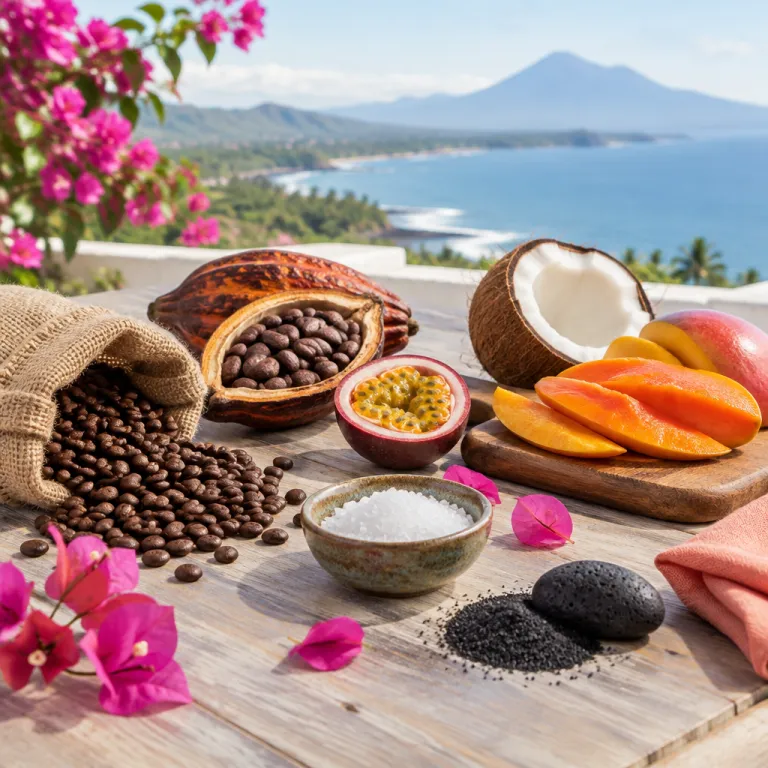
El Salvador tourism for luxury guests who want culture first
El Salvador tourism now attracts travelers who want refined stays with strong cultural depth. In this compact Central American country, you can plan a short trip yet experience a surprising range of Salvadoran heritage, landscapes and food in only a few days. Luxury hotels in San Salvador and along the beaches increasingly curate private guides, tailored tours and airport transfers so that every moment of your travel feels seamless.
For many guests, the capital city of San Salvador is the natural starting point, because it concentrates the best things to do for culture lovers in one urban area. High-end properties near the Centro Histórico place you close to the National Palace, the Metropolitan Cathedral and the main plazas, while still offering quiet rooms, attentive service and secure parking in a city where visitors often ask about violent crime and safe neighborhoods. When you stay in San Salvador at this level, concierges usually arrange private drivers instead of public buses, which helps you manage time efficiently and move between museums, galleries and restaurants without stress.
From the perspective of El Salvador tourism, the country’s small size is a real advantage for premium travelers who value flexibility. You can wake up in a luxury hotel in the city, enjoy a breakfast of fresh fruit and refried beans, then be at the Pacific beaches or a national park in less than two hours. That means you can design a trip where you stay in San Salvador for culture, then add one or two nights on the coast or near a volcano without long transfers or wasted days.
Cultural hotspots in San Salvador and Santa Ana for refined stays
San Salvador offers the densest cluster of cultural hotspots, and luxury hotels here often build itineraries around the Centro Histórico. A private walking tour through this historic city core usually includes the National Palace, the Teatro Nacional and the plazas where Salvadoran daily life unfolds in markets, street food stalls and small cafés. When you stay in San Salvador at an upscale property, staff will typically suggest the best time of day to visit each site, balancing light for photography, crowds and the midday heat.
Santa Ana, the country’s second city, adds a different flavor to El Salvador tourism with its neoclassical theater, Gothic-style cathedral and relaxed plazas. High-end guesthouses and premium hotels around the Santa Ana city center often coordinate day trips to the nearby Santa Ana volcano and to Lake Coatepeque, allowing you to combine culture with nature in one smooth itinerary. Many travelers choose to stay in Santa Ana for two or three days, using it as a base for the Ruta de las Flores region, where small towns host weekend markets, coffee tours and artisan workshops that showcase Salvadoran crafts.
For guests interested in traditional arts, a curated excursion to the clay workshops of Ilobasco can be arranged from both San Salvador and Santa Ana. Luxury concierges sometimes partner with local artisans to offer private demonstrations, followed by lunch featuring regional food and time to browse ceramics at a relaxed pace. To deepen this side of your trip, you can consult a specialized cultural travel guide such as the one on clay traditions and refined stays near Ilobasco, then ask your hotel to adapt those ideas into a personalized tour.
Archaeology, national parks and lakes on a luxury cultural itinerary
Beyond the cities, El Salvador tourism shines through its archaeological sites and compact national parks, which are easy to integrate into a premium itinerary. Joya de Cerén, often called the “Pompeii of the Americas”, is a UNESCO World Heritage site where you can see everyday pre-Hispanic Salvadoran life preserved in volcanic ash. Many luxury hotels in San Salvador or Santa Ana will arrange a private guide and vehicle for a half-day tour that combines Joya de Cerén with nearby ruins such as San Andrés, so you maximize your time outside the city.
Nature-focused travelers often ask how to combine a national park visit with comfort, and the answer usually involves the Santa Ana volcano and Lake Coatepeque. A typical day trip from a high-end hotel in Santa Ana might start with an early transfer to the trailhead in Cerro Verde National Park, followed by a guided hike to the Santa Ana volcano crater and its turquoise water lagoon, then a late lunch at a lakeside restaurant on Lake Coatepeque. Because the country is small, you can return to your city hotel by evening, or choose to stay near the lake for a night of quiet views and cooler temperatures.
Coastal national parks and marine reserves also play a growing role in El Salvador tourism, especially for guests who want beaches without sacrificing comfort. Upscale properties along the central and eastern coast organize boat tours, surfing lessons and visits to fishing communities, often timed around local festivals and the rainy season patterns. For event-focused travelers, planning your trip around surf contests, food festivals and craft markets becomes easier when you consult curated resources such as this guide to El Salvador’s event calendar for travelers, then coordinate dates with your preferred hotel.
Coastal elegance, beaches and refined stays by the water
The Pacific coast is where many luxury travelers feel the full appeal of El Salvador tourism, especially those seeking stylish hotels directly on the beaches. From the surf breaks of La Libertad to quieter coves in the east, new properties emphasize design, attentive service and curated experiences that highlight Salvadoran food, music and coastal culture. You can spend your days between the water and the pool, then return to a room where every detail, from linens to lighting, has been considered.
For guests who want both privacy and access to authentic communities, the Gulf of Fonseca region on the eastern coast offers a distinctive option. Here, a refined beachfront villa such as the one presented in this guide to beachfront elegance on the Gulf of Fonseca can serve as a base for boat excursions, island visits and seafood-focused meals. Because the country is compact, you can combine a few days on these quieter beaches with time in San Salvador or Santa Ana, creating a trip that balances culture, nature and rest.
Coastal El Salvador tourism also appeals to travelers who have already visited other Central America destinations such as Costa Rica and now want something more intimate. While Costa Rica is known for large-scale resorts, El Salvador’s smaller size and shorter coastline mean that even the best hotels tend to feel more personal, with staff quickly learning your preferences for breakfast, poolside drinks or evening turndown. When you stay in El Salvador for several days, this sense of familiarity often becomes one of the best things you remember about the country, alongside sunsets, warm water and the rhythm of the waves.
Food, markets and street life around your luxury hotel
Food is central to El Salvador tourism, and luxury hotels increasingly showcase Salvadoran flavors in both their restaurants and their curated city experiences. Breakfast often features pupusas, refried beans, fresh cheese and seasonal fruit, while dinner menus reinterpret national dishes with contemporary techniques and elegant plating. When you stay in San Salvador or Santa Ana, concierges usually recommend nearby restaurants where you can taste regional food in settings that range from casual to fine dining.
Street food and markets offer another layer of the country’s culinary identity, and many high-end hotels now organize guided visits so guests can explore them comfortably. A typical tour in the city might include tasting pupusas from a trusted vendor, sampling tropical fruit juices and learning how Salvadoran cooks use corn, beans and local herbs in everyday dishes. These experiences help you understand how food connects to national traditions, and they often become some of the best things guests mention when they talk about their trip.
For travelers comparing El Salvador with Costa Rica or other Central America destinations, the compact scale of the country again plays in its favor. You can spend the morning at a museum in the Centro Histórico, enjoy a lunch of street food near the National Palace, then be back at your hotel pool by mid-afternoon. Over several days, this rhythm allows you to experience many different things in El Salvador without long transfers, making it easier to balance cultural curiosity with the desire to rest in a comfortable, well-run property.
Practical planning for a safe, smooth and luxurious stay in El Salvador
Planning a luxury trip in El Salvador starts with choosing where to stay, how many days to allocate to each region and how you prefer to move around the country. Many high-end travelers divide their time between San Salvador, Santa Ana and one coastal area, using private transfers instead of public buses to maximize comfort and flexibility. This structure works well for a first visit, because it connects the main cultural hotspots, a national park or volcano and at least one stretch of beaches with good hotels.
Safety is a common question in El Salvador tourism, especially because international media often highlight violent crime statistics without context. In practice, luxury hotels in the capital and major tourist areas invest heavily in security, vetted drivers and local knowledge, guiding guests toward neighborhoods and times of day that align with current conditions. When you stay in El Salvador at this level, staff will usually brief you on sensible precautions, such as using hotel taxis at night, avoiding isolated areas and keeping valuables discreet, which are similar to advice in many other Latin American cities.
Seasonality also shapes how you plan your trip, particularly the balance between the dry months and the rainy season. The rainy season in this country often brings short, intense showers in the late afternoon, which can actually cool the air and create dramatic skies over the city and the water. Many travelers appreciate this pattern, because it allows for clear mornings for tours to places like Joya de Cerén or the Santa Ana volcano, followed by relaxed evenings in the hotel spa, bar or restaurant while the rain passes outside.
Key figures that frame luxury and cultural travel in El Salvador
- According to the World Tourism Organization, El Salvador received more than 2.5 million international visitors in 2019, a significant increase compared with earlier in the decade, which reflects growing confidence in El Salvador tourism among regional and long-haul travelers (UNWTO, 2020; see UNWTO “Tourism Statistics Database – El Salvador” country profile).
- Data from the Salvadoran Ministry of Tourism indicate that tourism now contributes around 10% of national GDP, underlining how central travel has become to the country’s economic strategy and to investment in higher-quality hotels and services (MITUR estimates for 2022, summarized in the ministry’s annual “Memoria de Labores” report).
- Government figures show that the average stay in El Salvador is approximately 5 to 7 days, which aligns well with itineraries that combine San Salvador, Santa Ana, a national park and at least one coastal area for beaches and water-based activities (MITUR visitor surveys, 2021–2023, reported in the “Perfil del Turista que Visita El Salvador”).
- Regional air connectivity has improved, with San Salvador’s international airport serving more than 30 destinations across the Americas as of 2023, making it easier for travelers who have already visited Costa Rica or other Central America countries to add El Salvador as a focused cultural trip (airport authority data in the “Estadísticas de Tráfico Aéreo” bulletin for Monseñor Óscar Arnulfo Romero y Galdámez International Airport).
- Security reports from international organizations note a marked decline in homicide rates in recent years, which, while not eliminating all concerns about violent crime, has contributed to a more favorable environment for tourism growth and for investment in premium hospitality projects (for example, UN Office on Drugs and Crime regional homicide overviews and Central American security briefings published between 2021 and 2023).
FAQ about luxury and premium stays in El Salvador
How many days should I plan for a luxury trip in El Salvador ?
A well-balanced luxury itinerary usually lasts between five and eight days. This allows time to stay in San Salvador for culture, add two nights in Santa Ana for the volcano and Lake Coatepeque, then finish with two or three days on the beaches. With private transfers, you can move between these areas quickly without feeling rushed.
Is El Salvador safe for high end travelers concerned about violent crime ?
Security has improved significantly in recent years, and main tourism corridors are heavily monitored. Luxury hotels in the capital, Santa Ana and coastal areas typically provide secure facilities, vetted drivers and up-to-date local advice. As in any Central America country, you should follow common-sense precautions, avoid risky neighborhoods and rely on your hotel’s guidance.
What are the best cultural hotspots to include near San Salvador ?
Within the city, focus on the Centro Histórico, the National Palace, key museums and major churches. Nearby, Joya de Cerén and San Andrés offer important archaeological sites that fit easily into a half-day tour. Many travelers also add a day trip to the Santa Ana volcano and Lake Coatepeque for a mix of culture and nature.
How does El Salvador compare with Costa Rica for luxury tourism ?
El Salvador is smaller and less developed in terms of large resort infrastructure, but this often results in more intimate hotels and highly personalized service. Travel times between the city, national parks and beaches are shorter, which suits guests who want to see a lot in a limited time. Costa Rica offers more extensive eco-resort options, while El Salvador excels at compact, culture-rich itineraries.
When is the best time of year to visit El Salvador for a premium stay ?
The dry months are popular for beaches and volcano hikes, but the rainy season can also be attractive because showers are often brief and landscapes turn lush green. Luxury hotels adapt activities to the weather, scheduling outdoor tours in the morning and spa or culinary experiences later in the day. Your choice depends on whether you prioritize guaranteed sunshine or fewer crowds and lower room rates.