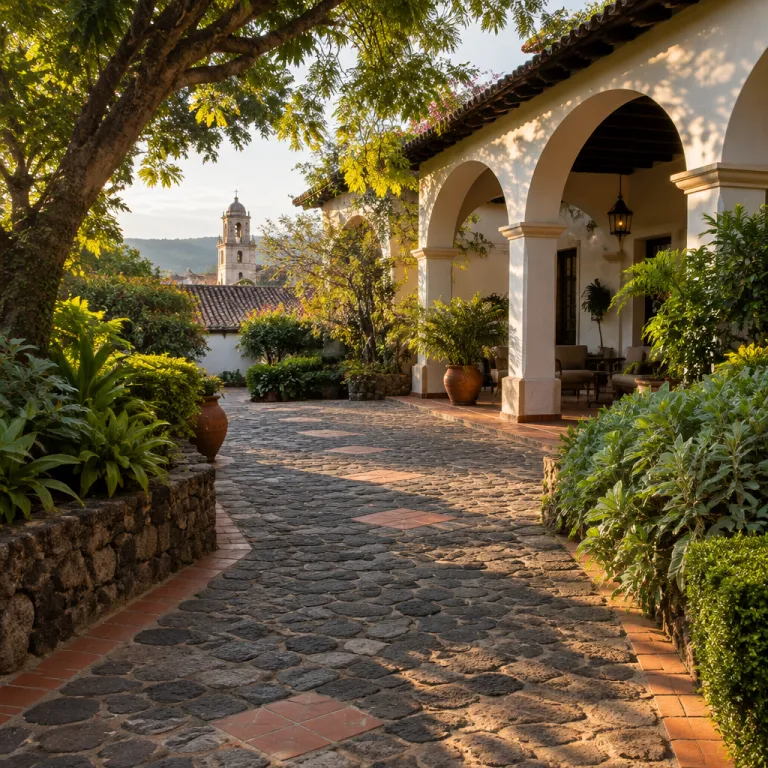
Planning refined travel to El Salvador around its cultural cities
Planning luxury travel to El Salvador starts with understanding how compact the country feels and how easily you can move between cultural hotspots and coastal retreats. This country in Central America has short driving times between major cities, so you can sleep in one refined hotel and still enjoy several distinct areas in a single day. When you plan your trip carefully, you can balance volcano views, colonial plazas, and a Pacific beach sunset without ever feeling rushed.
Most international travelers arrive at El Salvador International Airport near the capital city of San Salvador, and this hub works well for both business and leisure stays. From the airport, private transfers or hotel cars are preferable to regular taxis if you want a seamless premium experience and reliable service at any time of day. High end properties often include airport meet and greet, so confirm these details with your chosen hotel before you travel and ask whether staff can assist with luggage and customs formalities.
For many visitors, the capital of San Salvador is the natural base for the first night of a trip, especially after a long flight from the United States or Europe. The city sits in the country central valley, ringed by green hills and a prominent volcano that shapes the skyline and gives some suites dramatic volcano views. When you stay in the capital, you can feel the pulse of modern Salvador life while still being within easy reach of quieter cultural towns for day trips.
Luxury travelers who want to focus on culture should look for hotels in safe, upscale areas such as Zona Rosa, Escalón, or Santa Elena. These districts of San Salvador offer refined dining, galleries, and shopping, and they also provide easier logistics for curated tours to other cities in El Salvador. When you choose a property, ask for precise details about security measures, private transport options, and whether the concierge can arrange guided visits to key Salvador places such as Suchitoto or the coffee highlands.
Entry rules for Salvador travel are relatively straightforward for many nationalities, which helps when you are planning multi country itineraries in Central America. Many visitors can enter visa free for up to 90 days, but you must always verify your own status with a Salvadoran embassy or consulate before you book non refundable rooms. To keep your trip smooth, carry a passport valid for at least six months, proof of onward travel, and travel insurance that covers medical care and cancellations.
Seasonality matters when you design a premium itinerary that combines cities, volcano landscapes, and beach stays. The dry season typically runs from November to April, and this period offers clearer volcano views and more predictable conditions for road transfers between the capital, Santa Ana, and the Pacific surf coast. During the rainy months, you can still enjoy cultural areas and luxury hotels, but you should allow extra time for day trips and choose properties with strong in house amenities such as spas, heated pools, and fine dining.
San Salvador and Zona Rosa as a luxury cultural base
San Salvador is the political and economic heart of the country, and it also anchors many refined cultural experiences for travelers who value comfort and service. When you stay in the capital, you can easily arrange curated excursions to museums, historic churches, and nearby volcano viewpoints while returning each evening to a quiet, secure suite. This balance between urban energy and hotel calm makes San Salvador one of the most strategic cities in El Salvador for premium stays.
The Zona Rosa district is especially attractive for guests who want walkable access to restaurants, cafés, and galleries without sacrificing privacy or safety. Many luxury and premium hotels cluster in this area, offering chauffeured cars instead of regular taxis, rooftop pools with city panoramas, and concierge teams who speak English and basic Spanish. From Zona Rosa, you can reach the national museum, contemporary art spaces, and upscale shopping centers in a short drive, which saves time and simplifies your daily planning.
High end hotels in San Salvador often design packages that combine cultural immersion with comfort, such as private guided tours of the historic center followed by tasting menus that reinterpret the national dish, pupusas, in creative ways. One concierge at a leading Zona Rosa property, for example, might suggest a late afternoon stroll past the cathedral and theatre, then reserve a table where the chef pairs artisanal pupusas with Salvadoran coffee cocktails. When you review these offers, look for clear details about what is included, from transport and entrance fees to language options for guides and flexible timings during your trip.
For travelers who want deeper cultural context, it is worth booking specialized excursions with operators who focus on elevated tours in El Salvador for luxury travelers seeking culture and style, which many premium hotels can arrange on your behalf. These curated experiences often include visits to artisan workshops, coffee fincas, and archaeological sites, with private drivers who know the safest routes and the best times of day to avoid crowds. When you travel to El Salvador with this level of planning, you can enjoy both the sophistication of your hotel and the authenticity of local encounters.
Language rarely becomes a barrier in top tier properties, where staff usually speak English and can help you practice basic Spanish phrases for taxis, markets, and restaurants. Learning a few words before your trip will still enrich your stay, especially when you visit Salvador places outside the capital where fewer people speak English. Simple expressions for greetings, directions, and payments help you feel more at ease and show respect for the country and its culture.
Security remains a key consideration for any traveler, and luxury hotels in San Salvador respond with visible and discreet measures such as controlled access, trained guards, and vetted drivers. Official advice still recommends avoiding travel at night between cities, so plan inter city transfers during daylight and rely on your hotel to coordinate reputable transport. As one advisory notes, “Exercise high caution; crime has dropped; avoid risky areas and night travel”, and this guidance aligns with the way premium properties structure their guest services.
Santa Ana, volcano views, and heritage rich day trips
Santa Ana, the second largest city in the country, offers a compelling mix of heritage architecture, coffee culture, and access to dramatic volcano views. Many travelers choose to travel to El Salvador with at least one night in Santa Ana, but you can also base yourself in San Salvador and arrange private day trips with a driver. The choice depends on how much time you want to spend in quieter cities versus the capital and how often you prefer to change hotels during your trip.
The Santa Ana volcano is one of the most iconic Salvador places to visit, known for its turquoise crater lake and sweeping panoramas over the countryside and nearby lakes. Luxury travelers often opt for early morning departures from their hotel, with private vehicles and certified guides who manage permits, timings, and safety details on the trail. This approach allows you to enjoy the hike at your own pace, carry only what you need for the day, and return to a hot shower and refined dinner in the evening.
From Santa Ana city, you can also explore the Ruta de las Flores, a string of small towns known for murals, markets, and coffee farms that feel distinctly different from the capital. Premium hotels or drivers can design flexible itineraries that include artisan visits, coffee tastings, and leisurely lunches in restored colonial houses, turning a simple transfer into a full cultural experience. When you travel to El Salvador with this level of curation, even short distances between cities feel like immersive journeys rather than mere logistics.
Many visitors pair Santa Ana with Lake Coatepeque, where upscale villas and hotels offer serene lake and volcano views, ideal for a slower day between more active excursions. You might spend the morning on the water, then return to your suite to watch the light change over the crater rim while you plan the next places to visit. Because the country is compact, you can enjoy this lakeside calm and still reach the Pacific beach areas or the international airport in a few hours by car.
Event focused travelers sometimes time their Salvador travel to coincide with local festivals, coffee harvest activities, or cultural celebrations in Santa Ana and nearby towns. To coordinate such a trip, it helps to consult curated guides to surf contests, food festivals, and craft markets when planning a trip around El Salvador's event calendar, which many premium travel advisors and hotels can interpret for you. Aligning your stay with these events adds texture to your itinerary, but you should still allow unscheduled time to wander plazas, visit churches, and feel the rhythm of daily life.
Because Santa Ana and its surroundings sit at higher elevation than the coast, temperatures can feel more comfortable during the dry season, especially for daytime walking tours. Pack layers and comfortable shoes, and carry a light jacket for evenings, as temperatures can drop after sunset compared with the warmer beach cities. Your hotel concierge can advise on the best time of day for specific excursions, taking into account weather, crowds, and any current safety advisories for the areas you plan to visit.
Pacific beach luxury, surf culture, and coastal cities
The Pacific coast is one of the strongest draws for people who travel to El Salvador, especially those who love surf culture and relaxed seaside luxury. In recent years, the country has gained international attention for consistent waves and a growing collection of refined hotels that blend coastal style with attentive service. These properties often sit within easy reach of San Salvador, allowing you to split your trip between city culture and beach calm without long transfers.
Key beach areas such as El Tunco, El Sunzal, and Playa El Zonte attract surfers from the United States, Europe, and across Central America, yet they still feel more intimate than many larger resort cities. Luxury travelers who prefer quieter surroundings often choose high end villas or small upscale hotels slightly away from the busiest surf breaks, with private access to the beach and curated wellness programs. When you compare options, look for clear details about surf access, pool design, spa services, and whether the property offers private lessons or partnerships with expert instructors.
For guests who want refined beachfront elegance, curated platforms highlight beach resort style stays with refined beachfront comfort for El Salvador getaways, which showcase properties that prioritize design, privacy, and service. These hotels typically arrange private transfers from the international airport or from San Salvador, so you can avoid negotiating with taxis after a long flight. Many also offer flexible check in times, which is valuable when your arrival or departure day does not align neatly with standard hotel schedules.
Coastal cuisine is another highlight of Salvador travel, with fresh seafood, ceviches, and creative takes on the national dish alongside international menus. High end beach hotels often employ chefs who work closely with local fishermen and farmers, creating tasting menus that change with the catch of the day and the agricultural season. When you book, ask whether the restaurant can accommodate dietary preferences and whether they offer special experiences such as private dinners on the sand or cooking classes that introduce you to local ingredients.
Even at the beach, it pays to think about language and logistics, especially if you plan to explore nearby towns or markets beyond your hotel. Staff in luxury properties usually speak English, but learning basic Spanish phrases for directions, payments, and greetings will make interactions with local vendors and drivers smoother. If you want to visit Salvador places along the coast that are less frequented by tourists, ask your concierge to arrange vetted drivers and to provide written addresses in Spanish to show to taxis or guides.
Safety considerations on the coast mirror those in the rest of the country, with an emphasis on using trusted transport, avoiding isolated areas at night, and following local advice about currents and surf conditions. Many premium hotels employ lifeguards or work with surf schools that monitor the ocean closely, which is especially important if you are new to surfing or traveling with family. As always when you travel to El Salvador, carry only what you need for the day, leave valuables in the hotel safe, and rely on your property to brief you on any current advisories for the beach cities you plan to visit.
Practical luxury: safety, transport, and language for cultural hotspots
Thoughtful planning around safety and transport allows you to focus on the pleasures of cultural travel to El Salvador rather than on logistics. The country has seen crime indicators improve in recent years, yet official advisories still recommend caution, especially in certain urban areas and at night. Luxury and premium hotels respond by offering structured services that reduce risk, from airport pickups to vetted drivers for day trips between cities.
When you arrive at the international airport, pre arranged transfers through your hotel are the most comfortable and secure option, especially after a long flight from the United States or other distant countries. These services usually include an English speaking driver, air conditioned vehicles, and clear communication about meeting points and travel time to the city. If you must use regular taxis, choose those recommended by airport staff or your hotel, agree on the fare in advance, and avoid sharing rides with strangers.
Within San Salvador and other major cities, many high end properties prefer to use private cars or trusted ride services instead of street taxis, particularly after dark. This approach not only enhances safety but also improves punctuality for restaurant reservations, theatre performances, or early morning departures for volcano hikes. Ask your concierge to coordinate all movements between the hotel and external places to visit, and keep their contact details handy in case your plans change during the day.
Language preparation adds another layer of comfort to your Salvador travel, especially when you venture beyond the capital into smaller cities or rural areas. While staff in luxury hotels and many restaurants speak English, having some basic Spanish phrases will help you feel more confident when reading menus, negotiating with drivers, or asking for assistance. Consider carrying a small phrasebook or a translation app, and do not hesitate to ask hotel staff to help you practice key expressions before you head out.
Health and safety habits remain important even in premium environments, particularly when you move between different climate zones in this compact country. Drink bottled water, use sunscreen generously at the beach and on volcano trails, and monitor local weather forecasts for storms or unusual heat, especially outside the dry season. Hotels can often arrange medical assistance quickly if needed, but having comprehensive travel insurance and a small personal kit with essentials will give you extra peace of mind.
Money management also benefits from a cautious yet practical approach, especially when you carry cash for markets, tips, or small taxis that do not accept cards. Use hotel safes for larger amounts and passports, keep only what you need for the day in a discreet wallet, and favor card payments in reputable establishments whenever possible. This balance allows you to feel secure while still engaging with local commerce in markets, cafés, and cultural venues across the cities of El Salvador.
Seasonality, budgets, and tailoring your luxury stay
Seasonal patterns shape how you experience cultural hotspots when you travel to El Salvador, especially if you want to combine cities, volcano landscapes, and the Pacific beach in one itinerary. The dry season generally brings sunnier skies, clearer volcano views, and more predictable road conditions, which suits travelers who plan many day trips and outdoor activities. During the wetter months, you can still enjoy museums, gastronomy, and spa focused stays, but you should allow extra time for transfers and keep some indoor options in reserve.
From a budget perspective, El Salvador often feels more budget friendly than many other destinations in Central America, even when you choose luxury or premium hotels. Room rates, fine dining, and private tours typically cost less than in comparable cities in the region, which allows you to allocate more of your budget to experiences such as private guides, spa treatments, or upgraded suites. When you plan your trip, compare prices across several Salvador places and consider whether staying slightly outside the busiest areas might yield better value without sacrificing comfort.
Visa policies also influence how long you can stay and how you structure multi country itineraries that include El Salvador and neighboring states. Many nationalities can enter visa free for up to 90 days under regional agreements, which simplifies travel between El Salvador, Guatemala, Honduras, and Nicaragua for extended cultural journeys. Always confirm the latest rules with official sources such as government immigration websites or consular services before you finalize hotel bookings, especially if you plan to cross borders several times during your trip.
Time allocation between the capital, Santa Ana, and the coast depends on your interests and how you like to feel during a holiday. Culture focused travelers might spend more days in San Salvador and Santa Ana, using the beach as a short, restorative finale, while surf enthusiasts might reverse that balance and treat the cities as brief cultural interludes. Because distances are short, you can adjust plans even mid trip, adding extra nights in a favorite city or arranging spontaneous day trips to new areas that catch your attention.
When you work with a luxury focused booking platform or travel advisor, share detailed preferences about room types, dining styles, and the level of structure you want in your days. Some guests prefer tightly planned itineraries with every transfer and visit confirmed in advance, while others like more open time to wander plazas, cafés, and markets at their own pace. Clear communication at the planning stage helps your chosen hotels and partners tailor services so that your Salvador travel feels both effortless and personal.
Finally, remember that this compact country rewards curiosity and flexibility, especially when you move beyond the most famous cities and beaches. Smaller towns, coffee regions, and lesser known cultural venues often provide some of the most memorable moments of a trip, particularly when you approach them with respect and a willingness to engage with local life. With thoughtful planning, reliable partners, and a focus on both comfort and connection, your travel to El Salvador can blend luxury, authenticity, and a deep sense of place.
How luxury booking platforms elevate cultural stays in El Salvador
Specialized luxury and premium hotel booking platforms play a crucial role in shaping how travelers experience cultural hotspots when they travel to El Salvador. These services curate properties that meet high standards for safety, service, and design, which is especially valuable in a country where quality can vary widely between different areas and cities. By filtering options, they allow you to focus on the feel of each hotel and how it aligns with your preferred style of trip rather than on basic due diligence.
One advantage of using a dedicated platform is access to detailed, experience based descriptions of rooms, suites, and public spaces, including accurate information about volcano views, proximity to cultural sites, and transport options. For example, a listing might specify that a San Salvador property sits in Zona Rosa within walking distance of museums, or that a Santa Ana hotel offers easy access to the volcano trailhead and historic center. These granular details help you match each stay to the specific day trips and activities you envision for that part of your journey.
Luxury platforms also tend to negotiate added value benefits such as early check in, late checkout, room upgrades, or credits for dining and spa treatments, which can significantly enhance your Salvador travel without increasing the headline rate. In a country that is already relatively budget friendly for high end stays, these extras may allow you to book higher room categories or extend your time in key cities. When comparing offers, look beyond the nightly price and consider the total package, including transfers, breakfast, and any curated cultural experiences.
Another strength of specialized booking services lies in their relationships with local partners, from private drivers and guides to restaurant owners and cultural institutions. Through these networks, they can arrange tailored experiences such as after hours museum visits, chef led tastings of the national dish and regional specialties, or private performances in historic venues. This level of access transforms a standard trip into a more immersive journey, especially in cities of El Salvador where independent travelers might struggle to organize such encounters on their own.
For travelers who value reassurance, many platforms also provide up to date information about safety, entry rules, and practicalities such as the best time of year to visit specific areas. They may summarize official advisories, clarify which neighborhoods in San Salvador are most suitable for visitors, and explain how to move safely between the international airport, the capital, Santa Ana, and the beach. This guidance, combined with hotel level security measures, helps you feel confident about exploring cultural hotspots while still respecting local realities.
Finally, premium booking websites often offer responsive customer support before and during your trip, which is particularly helpful if plans change or if you need to adjust dates, room types, or transport. Having a single point of contact who understands both the country and your preferences can save time and reduce stress, especially when coordinating multiple cities and day trips. In a destination as compact yet varied as El Salvador, this kind of support allows you to focus on the art, history, cuisine, and landscapes that drew you to the country in the first place.
Key figures for luxury and cultural travel in El Salvador
- The maximum typical visa free stay for many nationalities in El Salvador is 90 days, which allows ample time to combine cities, volcano regions, and beach areas in a single extended trip (based on guidance from official government travel advice).
- El Salvador is part of the CA 4 agreement in Central America, which facilitates regional travel between four countries and simplifies multi destination itineraries that include Guatemala, Honduras, and Nicaragua (regional migration framework).
- Official travel advisories such as the US State Department classify El Salvador at a defined travel advisory level, encouraging high caution but acknowledging improvements in security indicators in recent years (US State Department country information).
- Crime rates have been reported as decreasing since the introduction of enhanced security policies sometimes referred to as a state of exception, which has contributed to a rise in tourism interest, especially for surf beaches and cultural routes in cities like San Salvador and Santa Ana (regional tourism and security reports).
- Seasonal patterns show a dry season roughly spanning late in the calendar year through early the following year, offering more stable weather for volcano hikes, city walking tours, and road transfers between major cities and the coast (regional climate data).
FAQ about luxury and cultural travel to El Salvador
Do I need a visa to travel to El Salvador for a luxury stay ?
Many nationalities can enter El Salvador visa free for up to 90 days, which is sufficient for most cultural and beach focused itineraries. However, requirements vary by passport, so you must confirm your status with a Salvadoran embassy or consulate before booking non refundable hotels. If you plan to combine El Salvador with other Central American countries, also check the CA 4 rules that may apply to your trip.
How safe is it to stay in San Salvador and other major cities ?
Security conditions have improved in recent years, but you should still exercise caution, especially at night and in certain urban areas. Choosing luxury or premium hotels in well regarded neighborhoods such as Zona Rosa and using vetted drivers or hotel cars significantly reduces risk. Follow official advice, avoid travel between cities after dark, and rely on your hotel concierge for up to date local guidance.
What are the must see cultural hotspots for first time visitors ?
First time travelers often combine San Salvador, Santa Ana, and the Pacific coast with key sites such as the Santa Ana volcano, Suchitoto, Ruta de las Flores, and Lake Coatepeque. This mix offers city culture, heritage architecture, volcano views, and beach relaxation within relatively short travel times. Luxury hotels and specialized booking platforms can help you structure these places into a coherent, comfortable itinerary.
When is the best time of year for volcano hikes and city tours ?
The dry season generally offers the best conditions for volcano hikes, city walking tours, and road transfers between cultural hotspots. Skies tend to be clearer, which improves volcano views and photography, and rain is less likely to disrupt day trips. During the wetter months, you can still enjoy cultural activities, but you should build more flexibility into your schedule and prioritize hotels with strong indoor amenities.
How should I move between the international airport, cities, and the beach ?
The most comfortable and secure option for luxury travelers is to arrange private transfers through hotels or trusted operators, especially on arrival and departure days. From the international airport, it usually takes under an hour to reach San Salvador and a bit longer to reach popular beach areas, depending on traffic. For day trips to Santa Ana, volcano trails, or coastal cities, private drivers or organized tours are preferable to public buses, particularly if you value comfort and time efficiency.