Why salvadoran breakfast hotels matter for discerning families
In El Salvador, the real test of a luxury stay begins at breakfast. The most memorable Salvadoran breakfast hotels treat the first meal as a cultural handshake, not just a convenient hotel breakfast service. For a premium family, that morning table quietly reveals whether a property truly understands its place in El Salvador and the expectations of guests arriving from abroad.
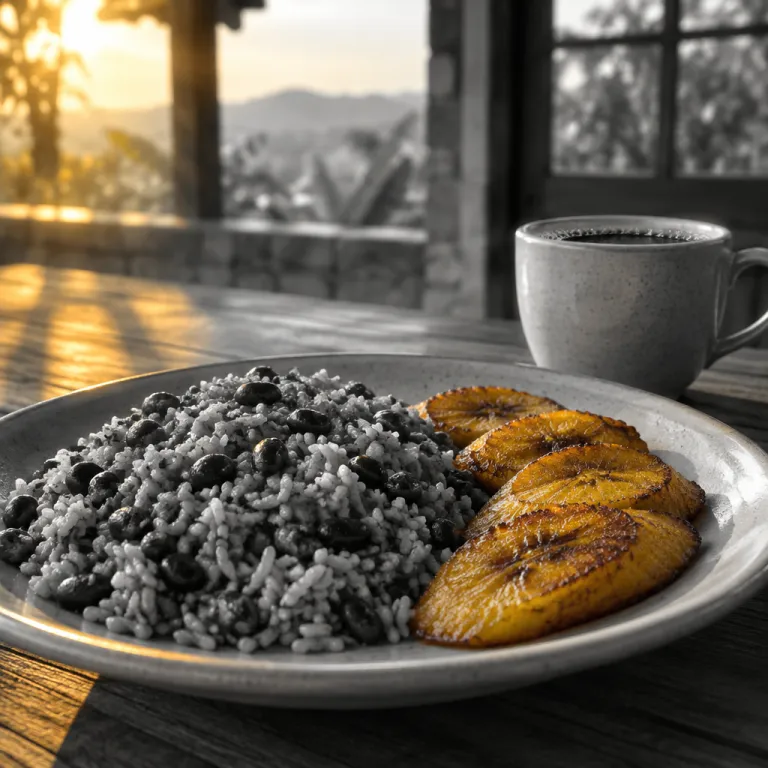
Look closely at the plate in any serious Salvador hotel dining room and you will usually see casamiento, plátano frito, queso fresco and eggs before you ever reach the buffet. This traditional Salvadoran breakfast grew out of working class kitchens, where rice and beans were fried together to fuel long days in the fields and markets. When a hotel in San Salvador or on the coast serves that same combination with care, it signals respect for local history and for the producers who still grow the ingredients nearby.
Families arriving from the United States often expect an American breakfast buffet with pancakes, bacon and cold cereals lined up under silver lids. The best properties certainly offer those options, but they frame them as complements to the desayuno típico rather than the main event. That balance lets parents enjoy a familiar American breakfast plate while children taste plátano frito or casamiento for the first time and share the experience together at the table.
What you rarely see in marketing photos, yet always feel on site, is how the breakfast policy shapes the entire food philosophy of the property. A hotel that quietly upgrades its sourcing for the morning service usually extends that same care to the restaurant dinner menu and to any outdoor snacks by the pool. When you evaluate Salvadoran breakfast hotels, start with the morning plate and the coffee cup, then let everything else — from the room rate per night to the rooftop view — follow from there.
The anatomy of a Salvadoran desayuno and what it reveals
Casamiento is the anchor of a true Salvadoran breakfast, and thoughtful hotels that respect tradition rarely hide it at the edge of a buffet breakfast line. On the plate, this mix of rice and beans, sometimes enriched with bacon or sausage, tells a story of thrift, protein and slow morning cooking. When a hotel in San Salvador takes time to prepare casamiento fresh rather than reheating a cold tray, you immediately sense a different level of hospitality.
Next to it, plátano frito brings sweetness and texture, caramelised at the edges and often served in both hot and cold versions across the breakfast buffet. Children tend to reach for the plantain first, which makes it an easy gateway into local flavors at family friendly properties. Ask for huevos estrellados on top, and you suddenly have a complete meal that bridges local tradition and the hearty American breakfast expectations many travelers carry into the restaurant.
Dairy completes the picture, with queso fresco and sometimes crema adding gentle salt and richness to the hotel breakfast spread. Properties that care about provenance will name the farm or region on the menu, turning a simple side into a quiet geography lesson about Salvadoran highlands and dairy valleys. When a Salvador hotel omits these elements and leans only on generic buffet breakfast items, it usually signals a weaker connection to local producers and to the surrounding area.
From a practical standpoint, families should walk the breakfast buffet slowly before loading plates, scanning for casamiento, plátano frito and clearly labeled estate coffee. If you only see pastries, industrial cereals and anonymous scrambled eggs, ask the restaurant team whether a Salvadoran breakfast plate can be prepared à la carte. Their response — and how quickly a hot-and-cold mix of beans, plantain and eggs appears — will tell you more about the soul of the property than any glossy brochure or published rate per night.
For travelers planning stays around cultural events or food festivals, breakfast focused hotels become strategic bases. When you choose a property in San Salvador or in a coastal area with a serious morning offering, you can head straight from the dining room to markets, galleries or concerts already anchored in local flavor. To align breakfast with the broader cultural calendar, consult guides such as this overview of surf contests, food festivals and craft markets in El Salvador, then match your hotel nights to the neighborhoods where morning and evening food culture are strongest.
Estate coffee at altitude: from finca to hotel cup
In Salvadoran breakfast hotels, coffee is never just a beverage; it is a statement about sourcing, altitude and respect for growers. El Salvador is a coffee export country with rich culinary roots, and the estates that ring the highland regions still rely on hand picking ripe beans at dawn. When a Salvador hotel chooses estate coffee from these fincas instead of anonymous blends, every breakfast cup becomes a direct economic link to the countryside.
Estate coffee in El Salvador typically comes from high grown Arabica trees rooted in volcanic soils, often of Bourbon or Pacamara varieties. According to the Consejo Salvadoreño del Café, national production in recent years has generally hovered in the hundreds of thousands of 60 kilogram bags, with a significant share coming from farms between 1,000 and 1,500 meters above sea level. Beans are dried on clay patios, sorted with care and roasted to highlight sweetness rather than bitterness, which makes them ideal for a long hotel breakfast where guests linger over second cups.
Guests sometimes ask what makes these beans different from the generic coffee served in many international buffet breakfast rooms. The clearest answer is traceability; estate lots can usually be linked to specific slopes, altitudes and families, while commodity coffee cannot. Producers in regions such as Apaneca-Ilamatepec or the Santa Ana area, for example, often publish details on varietals, processing methods and harvest dates so that hotels can share concrete information with curious drinkers.
Altitude properties in the highland area, especially around coffee routes, push this connection further by inviting producers into the restaurant for tastings and by offering outdoor walks through demonstration plots. Families can start the day with a hotel breakfast that pairs casamiento and plátano frito with estate coffee brewed to order, then step outside to see seedlings and drying patios in person. For deeper cultural immersion, consider staying near artisan towns and coffee villages highlighted in guides to clay traditions and characterful stays around Ilobasco, where Salvadoran breakfast hotels often work hand in hand with both potters and coffee growers.
How to read a breakfast buffet like a critic
Walk into the breakfast area of any upscale Salvador hotel and you can usually tell within thirty seconds whether the property is serious about its roots. Start with the layout of the breakfast buffet rather than the decor, and notice which dishes occupy the central islands. If casamiento, plátano frito and clearly labeled estate coffee sit at the heart of the display, you are probably in one of the more thoughtful Salvadoran breakfast hotels.
Many international chains in San Salvador default to a global buffet breakfast template, with omelette stations, pastry towers and a token tray of beans pushed to the side. That approach may satisfy guests seeking a quick American breakfast, but it misses the opportunity to share local flavors with families who actually want to taste where they have landed. The most interesting properties reverse the hierarchy, placing the Salvadoran breakfast front and center while still offering familiar hot and cold options for children and cautious eaters.
Policy details matter as much as presentation, especially for premium families managing different appetites and schedules across several nights. Ask whether the rate per night includes a full hotel breakfast with Salvadoran options, or only a limited continental spread that sidelines local dishes. Clarify if the restaurant can prepare a plated Salvadoran breakfast outside peak buffet hours, which is crucial when early tours or late returns from dinner in the city shift your routine.
Do not hesitate to speak with the morning équipe about sourcing, because their answers reveal the depth of commitment behind the scenes. Simple questions — which finca supplies the estate coffee, whether the queso fresco is local, how often the casamiento is cooked fresh — quickly separate marketing language from real practice. In Salvadoran breakfast hotels that take pride in their identity, staff will usually share these details with enthusiasm and may even suggest off menu combinations tailored to your family.
For travelers who care as much about food as about ocean views, pairing a strong breakfast program with a refined coastal stay can be ideal. Some elevated coastal properties, such as those featured in this guide to elevated coastal stays in El Salvador, now treat the morning table as seriously as the sunset bar. When Salvadoran breakfast hotels on the shoreline serve casamiento and estate coffee beside the waves, the entire day feels anchored in place before you ever step onto the sand.
Practical strategies for families choosing salvadoran breakfast hotels
Selecting Salvadoran breakfast hotels for a family trip to El Salvador requires more than scanning photos of pools and skyline views. Before you book, read the breakfast policy line by line and look for explicit mentions of Salvadoran breakfast plates, estate coffee and made to order eggs. If the description only highlights an international buffet breakfast without any local detail, plan to ask targeted questions by email or chat.
When contacting a Salvador hotel, be specific about what you want your children to taste in the restaurant each morning. Ask whether casamiento, plátano frito, queso fresco and huevos estrellados are available daily, and whether they are included in the rate per night or charged separately. Clarify if the hotel breakfast can be served in outdoor areas such as terraces or gardens, which often makes the experience more relaxed for younger guests.
On arrival, treat the first breakfast as a quiet audit of the property, paying attention to both food and service. Notice whether the staff offers estate coffee by default or reaches first for generic blends, and whether they proactively explain the Salvadoran breakfast components to international guests. In the best Salvadoran breakfast hotels, servers will happily share suggestions like “Ask for crema and queso fresco”, “Try huevos estrellados”, and “Order coffee estate roast rather than instant” without waiting for you to request them.
Families balancing different tastes can use a simple strategy to keep everyone satisfied across several nights. Let cautious eaters start with an American breakfast style plate from the hot and cold buffet, then add one local element each day — perhaps plátano frito on day one, casamiento on day two, and estate coffee for adults throughout. By the end of the stay, Salvadoran breakfast hotels that seemed unfamiliar on arrival often become the standard by which you judge every future morning in Central America.
FAQ about salvadoran breakfast hotels in El Salvador
What is casamiento and why is it central to Salvadoran hotel breakfasts?
Casamiento is a traditional mix of rice and beans fried together, sometimes with small pieces of bacon or sausage, and it forms the backbone of many Salvadoran breakfast plates. In Salvadoran breakfast hotels, serving casamiento signals a commitment to local culinary roots rather than relying only on international buffet items. For travelers, its presence on the hotel breakfast menu is a reliable indicator that the property takes Salvadoran food culture seriously.
How are plátanos fritos usually served in Salvador hotels?
Plátanos fritos are ripe plantains sliced and fried until golden, with a texture that is crisp at the edges and soft inside. In many family oriented hotels, they appear alongside eggs, casamiento and queso fresco, sometimes offered in both hot and slightly cooled versions on the buffet. Children often enjoy them immediately, which makes plátanos fritos an easy way to introduce local flavors at breakfast.
What should I ask to ensure my hotel serves estate coffee at breakfast?
Before booking, ask the Salvador hotel whether its breakfast coffee comes from specific estates in Salvadoran highland regions or from generic suppliers. Request the name of the finca, the variety used and whether beans are roasted locally, because properties that can answer these questions usually value traceability. On site, you can also ask staff to prepare estate coffee separately from standard buffet pots if you want the best possible cup.
Can I get a Salvadoran breakfast if the menu looks mostly American?
Yes, in many Salvadoran breakfast hotels the printed menu or buffet layout leans toward American breakfast dishes, but the kitchen can still prepare a Salvadoran plate on request. Ask directly for casamiento, plátano frito, queso fresco and eggs cooked to your preference, and mention that you would like a typical Salvadoran breakfast. Staff in well run properties are usually pleased to accommodate and may even suggest additional local sides.
Are salvadoran breakfast hotels suitable for families with picky eaters?
Most higher end Salvadoran breakfast hotels balance local dishes with familiar international options, which works well for families. Picky eaters can start with simple items such as toast, fruit or an American breakfast style plate, while more adventurous family members explore casamiento, plátano frito and estate coffee. Over several mornings, this mix allows everyone to eat comfortably while still engaging with Salvadoran food culture.
References
USDA Foreign Agricultural Service – Coffee: World Markets and Trade (recent annual reports on El Salvador’s production volumes).
Consejo Salvadoreño del Café – official data on producers, regions and altitude ranges for Salvadoran coffee.
El Salvador Coffee Seed Lot Assessment Report – specialty coffee and estate classifications used by local exporters and hotels.