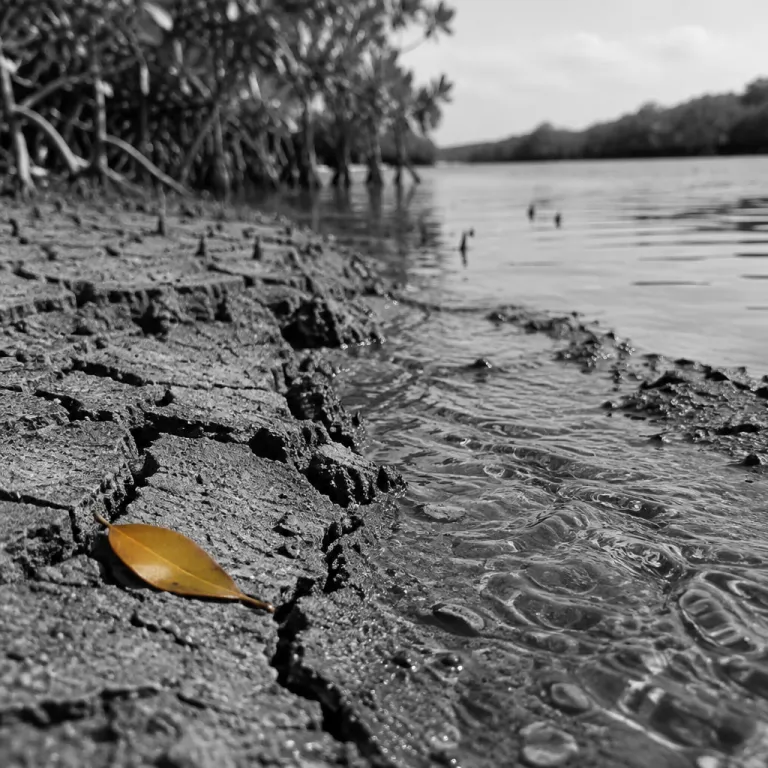
From rainy season chaos to dry season clarity on the Salvador coast
When the rainy season finally eases on the Salvador Pacific coast, the entire shoreline shifts character. The El Salvador dry season surf window opens as river discharge drops, estuaries clear and the first consistent offshore winds groom the wave faces. For luxury travelers planning a surf trip or a broader adventure itinerary, this is the moment when weather stops being a daily gamble and becomes a strategic ally.
Hydrographic surveys along estuaries such as Jaltepeque report surface salinity climbing above roughly 30‰ once the rains stop, with the system mixing more fully with sea water. That change in water temperature layers and clarity translates into calmer boat crossings, more predictable swell lines and cleaner surf spots along more than 300 kilometers of Salvador coastline. For surfers, it means more class waves in the chest to head high range, while for non surfing guests it means glassier seas for coastal cruises and wildlife watching in mangroves that are drier underfoot.
The dry season usually establishes itself around early November, with the transition starting in late October and settling fully by mid month. This is when El Salvador dry season surf conditions become reliably shaped by morning offshore winds, rather than by the heavy squalls of the rainy season that can blow out a perfect wave in minutes. Expect hotter, drier air on every day of your stay, so luxury hotels along the south Pacific coast quietly shift their service choreography toward shaded pool decks, later surf class times and more sunset rather than midday excursions.
El Salvador dry season surf: smaller swell, better shape and smarter hotel choices
El Salvador dry season surf is not about the biggest swell of the year; it is about the best balance between power and control. From La Libertad to the trip east toward El Cuco, the south Pacific coastline trades the raw force of the rainy season for more civilized point breaks that suit intermediate advanced riders and ambitious beginner surfers. Waves tend to be chest to head high on many days, with warm water and light offshore winds that reward patience and timing rather than brute strength.
At iconic Punta Roca, the long right hand break that anchors Salvador surf culture, the dry season often delivers long, class waves that peel with fewer warbles and less backwash. Advanced surfers will still find sections that challenge them, but the overall rhythm is kinder than during peak south Pacific storm cycles when the swell can feel unruly. For those planning a dedicated surf trip, this is the season when you can schedule a dawn session, a late morning volcano hike and a refined dinner in San Salvador without worrying that a sudden storm will shut down roads or flood coastal access.
Luxury properties have learned to read this season as carefully as the surfers do. High end oceanfront bases such as the refined wave focused retreat featured in our report on high end wave seekers in El Zonte now tailor their surf guiding to match the more approachable dry season lines. They will steer advanced surfers toward the best surf windows at exposed surf spots, while suggesting gentler point breaks for those taking their first surfing class in warm water with forgiving water temperature and soft takeoff zones.
Designing a multi activity luxury itinerary around dry season conditions
Once the dry season settles over the Salvador coast, you can finally design a multi activity itinerary without building in weather contingency days. Trails up volcanoes such as Santa Ana or San Salvador dry out, so a morning ascent pairs naturally with an afternoon El Salvador dry season surf session at a nearby break. Clearer skies also mean sharper light for photography, from mangrove channels on the trip east to the golden hour over the rocky points near Punta Roca.
On the water, reduced turbidity and calmer seas make boat based experiences more comfortable for luxury travelers who might not be hardened surfers. Estuary cruises through mangroves near Barra de Santiago or Jaltepeque feel smoother, while coastal runs between surf spots become part of the pleasure rather than a necessary transfer. Coastal ecosystems and coastal human communities both respond to the season; fisherfolk adjust their routines as salinity rises and tourism operators lean into the predictable conditions to offer curated day trips that blend surfing, snorkeling and slow lunches in shaded beach palapas.
High end hotels now build wellness and surf into a single narrative during the dry season. Yoga decks overlooking class waves, such as the elevated platform highlighted in our stay report on El Zonte’s surf and wellness pairing, become sunrise stages before guests paddle out into warm water. A typical day might start with a dawn flow, move into a two hour surf class for beginner surfers at a mellow point break, then shift inland for a volcano rim picnic before returning to the coast for a final head high session under pastel skies.
Practical travel tips for luxury surf travelers in the Salvador dry season
Planning El Salvador dry season surf travel means respecting the climate as much as the swell charts. UV levels along the south Pacific coast are intense, so even advanced surfers used to Costa Rica or other tropical surf destinations often underestimate the sun during a long day in warm water. Pack high SPF mineral sunscreen, long sleeve surf tops and light linen for land based excursions, and ask your hotel about shaded loungers and hydration stations near the pool and the beach.
Because only a small share of annual rainfall arrives during the dry season, the air feels hotter and drier, and coastal breezes can mask dehydration. Build in water breaks between surf sessions, especially if you are stacking a morning surf trip with an afternoon road trip to inland coffee fincas or volcano trails. Luxury hotels that understand Salvador surf culture will often place chilled water, electrolyte drinks and fresh fruit at the exit point of their private beach paths, so you can reset quickly before heading to your next activity.
Traffic and occupancy also shift as the season progresses toward the festive peak. Early in the dry season you will find more space in the lineups, with advanced surfers sharing point breaks politely with beginner and intermediate advanced riders who are just learning to read a head high wave. By late season, book your rooms and your restaurant tables well ahead, especially if you plan to combine coastal stays with high level business dinners in San Salvador before or after your time on the coast.
FAQ
When does the dry season start on El Salvador’s Pacific coast?
The dry season on El Salvador’s Pacific coast typically begins in early November, after a transition that runs from mid October to mid November. During this period river discharge declines, estuaries clear and offshore winds become more consistent in the mornings. For travelers, that timing marks the start of more reliable El Salvador dry season surf conditions and easier planning for outdoor activities.
How does dry season affect surf conditions compared with the rainy season?
During the rainy season, larger south Pacific swells and onshore squalls can create powerful but messy waves that suit only the most advanced surfers. In the dry season, waves are generally smaller, often chest to head high, but they are cleaner and more organized thanks to steadier offshore winds. This makes many Salvador surf spots better for intermediate advanced riders and confident beginner surfers who want to progress in warm water without facing heavy closeout sets every day.
Is the dry season better for non surfers visiting the Salvador coast?
Yes, the dry season is particularly comfortable for non surfers who still want to be close to the ocean. Calmer seas and clearer water improve boat excursions through estuaries and along the coast, while drier trails make volcano hikes and mangrove walks more accessible. Luxury hotels can schedule full day itineraries that combine light adventure, coastal scenery and refined dining without constant concern about sudden downpours.
What should I pack for a luxury surf focused trip in the dry season?
For a dry season surf trip, bring a high quality rash guard or long sleeve surf top, reef safe sunscreen, polarized sunglasses and a wide brim hat for time on land. The water temperature is warm, so most surfers are comfortable in thin neoprene tops or just swimwear, but sun protection is essential during long sessions. For evenings and inland excursions, light breathable fabrics and a compact rain shell are sufficient, as heavy rain is unlikely but breezes can pick up at higher elevations.
How does the dry season impact coastal ecosystems and local communities?
As rains stop, estuaries along the Salvador coast receive less freshwater, so salinity increases and water becomes clearer, which can stress some freshwater species while favoring marine ones. Mangroves experience higher soil salinity, and fisherfolk adjust their practices as fish distribution changes with the new water balance. Tourism operators and coastal communities use the predictable dry season to expand marine tours and surf services, but they also need to manage water use carefully because only a limited portion of annual rainfall arrives during these months.